Encapsulation & Blending Solutions Supplier Since 2003

Encapsulation & Blending Solutions Supplier Since 2003
| Core Content | Standard 85%, customizable |
|---|---|
| Wall Material | Lipids, dextrin, emulsifiers, or salts (customizable) |
| Packaging | 25 kg bags, customizable packaging available |
| MOQ | 200 kg / 500 kg (customized orders) |
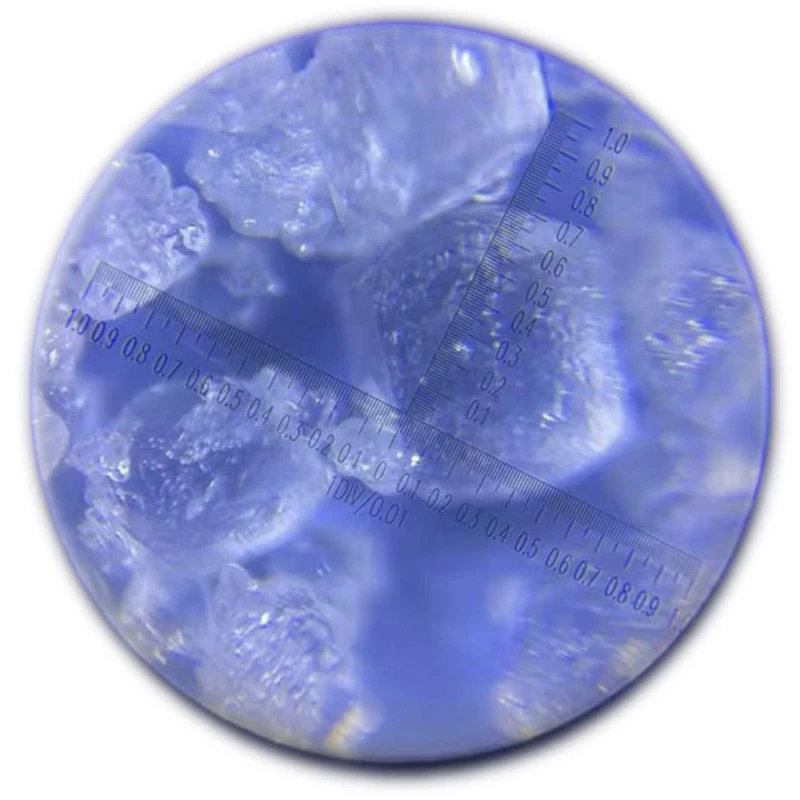
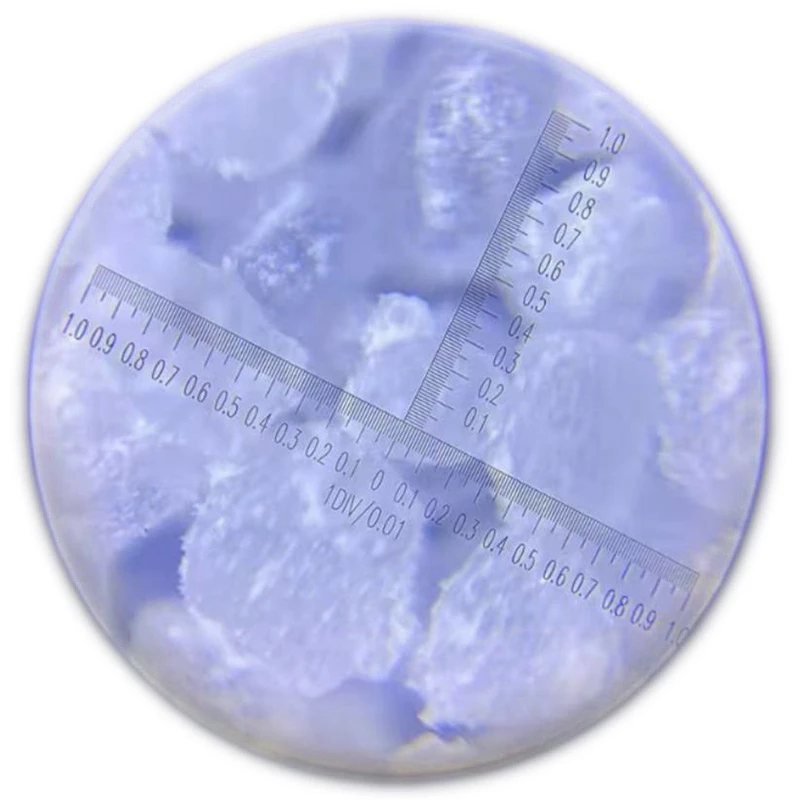
Encapsulated Lactic Acid is an advanced controlled-release acidulant produced using microencapsulation technology. Lactic acid (E270) is used as the core and coated with a food-grade protective layer, typically lipid-based, forming a stable barrier that isolates the active ingredient from moisture, air, and other reactive components during processing and storage.
This controlled-release system effectively addresses common limitations of conventional lactic acid, such as premature acidification, protein denaturation in meat systems, texture instability in baked goods, and unwanted reactions during mixing and storage. The active component is released only under specific trigger conditions, enabling precise pH control at the desired stage.
As a result, encapsulated lactic acid improves process stability, enhances product consistency, and delivers more reliable acidification performance across a wide range of applications.
It is widely used as a controlled-release acidulant in applications requiring delayed acidification, improved processing stability, and consistent product quality.
Encapsulated lactic acid operates through a temperature-triggered controlled-release system, designed to ensure precise acidification and processing stability.
Encapsulated lactic acid offers significant functional and processing advantages compared to conventional lactic acid, especially in applications requiring controlled release, improved stability, and precise acidification.
Encapsulated lactic acid is widely used in applications requiring controlled release, improved stability, and precise pH control.
| Item | Specification | Remarks |
| Wall Material | Lipids, dextrin, emulsifiers, or salts | Custom combinations available |
| Core/Wall Ratio | 60–90% core / 10–40% wall | Flexible adjustment |
| Encapsulation Efficiency | ≥97% | High utilization, minimal loss |
| Form | Powder or liquid | Depending on application |


We connect you with the right manufacturers based on your pricing and specification needs.
Diversified supply channels ensure consistent availability and reduce supply risks.
Optimized sourcing strategy helps provide competitive pricing for bulk orders.
Serving clients in over 100 countries with reliable logistics and documentation support.
Fast quotation and professional support for food, beverage, and industrial applications.
Sourced from certified manufacturers, meeting ISO, FSSC 22000, Halal, and Kosher standards.
What is the difference between encapsulated lactic acid and regular lactic acid?
Regular lactic acid reacts immediately upon contact with moisture, which may lead to premature pH reduction, protein denaturation, and processing instability. Encapsulated lactic acid remains stable during mixing and storage, releasing only under controlled conditions such as heat, ensuring precise acidification and improved product consistency.
What applications is encapsulated lactic acid suitable for?
It is widely used in meat processing, bakery products, confectionery, seasonings, and other food systems where controlled release, improved stability, and delayed acidification are required.
Can the product be customized to our specific process?
Yes. We offer full customization of particle size, core-to-wall ratio, coating type, and release temperature to match different processing conditions and product requirements. Samples are available for testing.
How do I select the release temperature?
Standard release temperature ranges are available and can be customized based on your production process and thermal profile to ensure optimal performance.
What are the advantages of encapsulated lactic acid in production?
It improves process stability, prevents premature acidification, protects protein structure, and enhances final product quality, especially in multi-stage or heat-processed applications.
How can I obtain samples and technical support?
Contact our team for sample requests and technical guidance. We provide formulation support to help optimize performance in your specific application.
Submit your inquiry to receive a quotation within 24 hours.
WhatsApp us