Encapsulation & Blending Solutions Supplier Since 2003

Preservative Blends Supplier
Niran Bio offers a comprehensive range of preservative blends for food,
beverage, and nutritional applications, including sodium lactate sodium
acetate blend, sodium lactate sodium acetate sodium diacetate blend, and
potassium acetate potassium diacetate blend.
Preservative blends provide antimicrobial protection in processed meat,
poultry, seafood, and ready-to-eat applications, help extend shelf life, and
support reduced-sodium formulations using potassium-based systems.
Explore Our Preservative Blends
Explore our range of preservative blends designed to deliver reliable antimicrobial protection, reduce sodium levels, and support consistent shelf life and texture in processed meat, poultry, seafood, and ready-to-eat products.
Key Functions of Preservative Blends
Shelf Life Extension
Extend product life in chilled and ready-to-eat applications through combined lactate and acetate action against spoilage and pathogenic microorganisms.
Sodium Reduction
Replace part of the sodium contribution with potassium-based systems, supporting lower-sodium formulation targets without losing antimicrobial performance.
Cook Yield Retention
Improve water and protein binding during processing, helping reduce cooking loss and support higher yield in cooked and cured meat products.
Microbial Control
Provide broad-spectrum antimicrobial activity, helping manage the growth of organisms such as Listeria monocytogenes in ready-to-eat and chilled products.
Flavor Neutrality
Deliver protection without the cured flavor and color associated with traditional nitrate and nitrite systems, keeping the finished product close to its intended taste profile.
Consistent Performance
Maintain stable antimicrobial activity across production batches and storage conditions, supporting reliable results between runs.
Applications of Preservative Blends
Bakery
Dough performance, texture consistency, and shelf life control for bakery formulations.
Bakery
Dough performance, texture consistency, and shelf life control for bakery formulations.
Beverage
Flavor balance, stability control, and mouthfeel optimization for beverage formulations.
Beverage
Flavor balance, stability control, and mouthfeel optimization for beverage formulations.
Confectionery
Texture precision, structure control, and sensory consistency for confectionery formulations.
Confectionery
Texture precision, structure control, and sensory consistency for confectionery formulations.
Dairy
Controlled fermentation, consistent texture, and extended shelf life for dairy formulations.
Dairy
Controlled fermentation, consistent texture, and extended shelf life for dairy formulations.
Meat
Water retention, texture structure, and yield stability for meat formulations.
Meat
Water retention, texture structure, and yield stability for meat formulations.
Savory
Flavor consistency, texture balance, and stability control for savory formulations.
Savory
Flavor consistency, texture balance, and stability control for savory formulations.

Your Ingredient Solution Starts Here
Need to improve ingredient stability, control release, mask unwanted tastes, prevent premature reactions, or achieve a more consistent formulation? We provide customized encapsulation and blending solutions designed around your specific product and processing requirements.
FAQs of Preservative Blends
What are preservative blends?
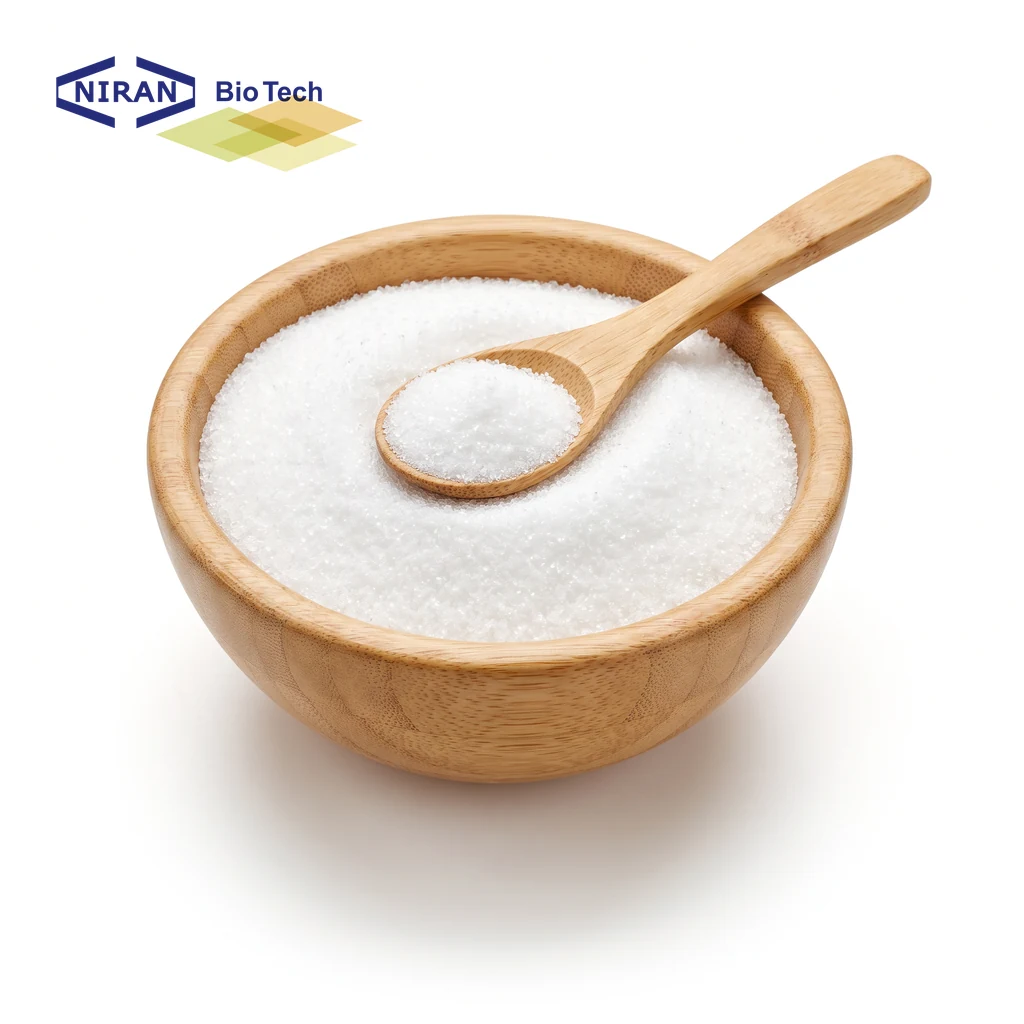
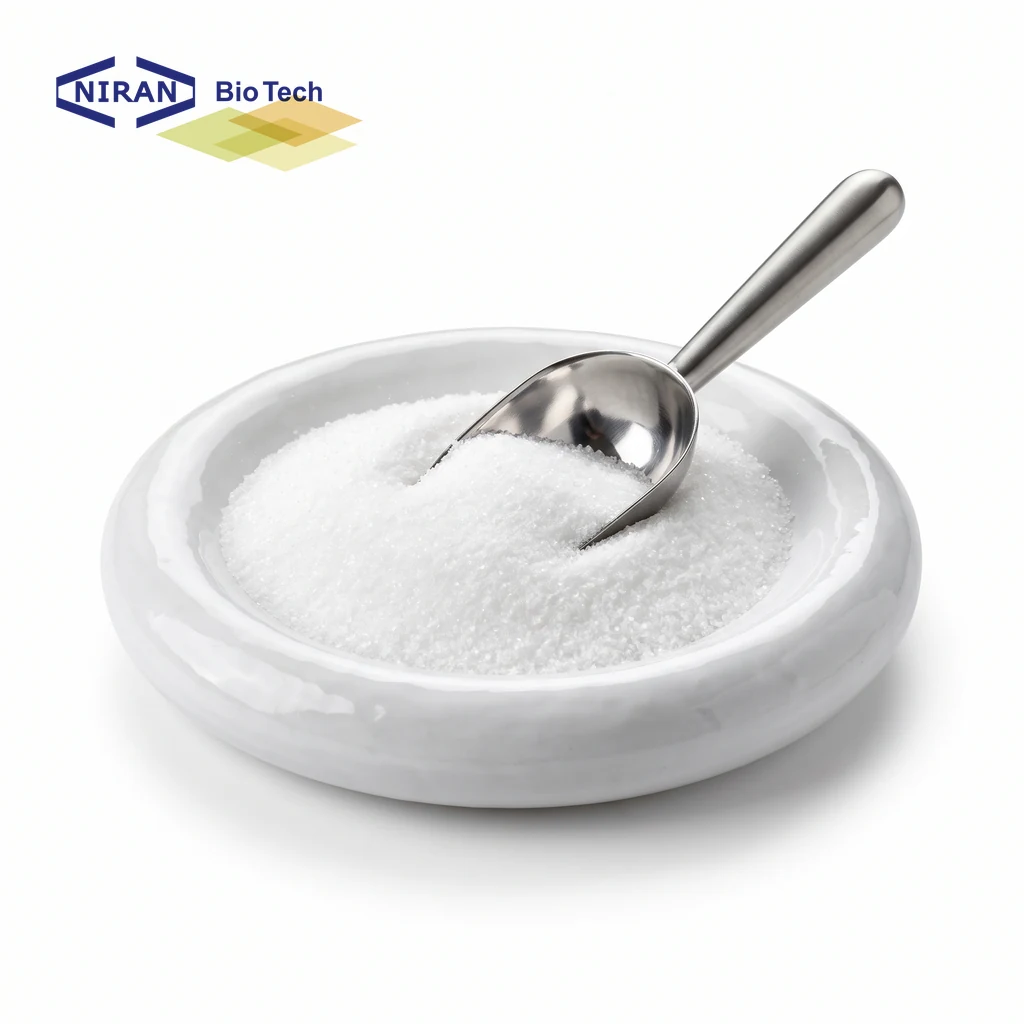
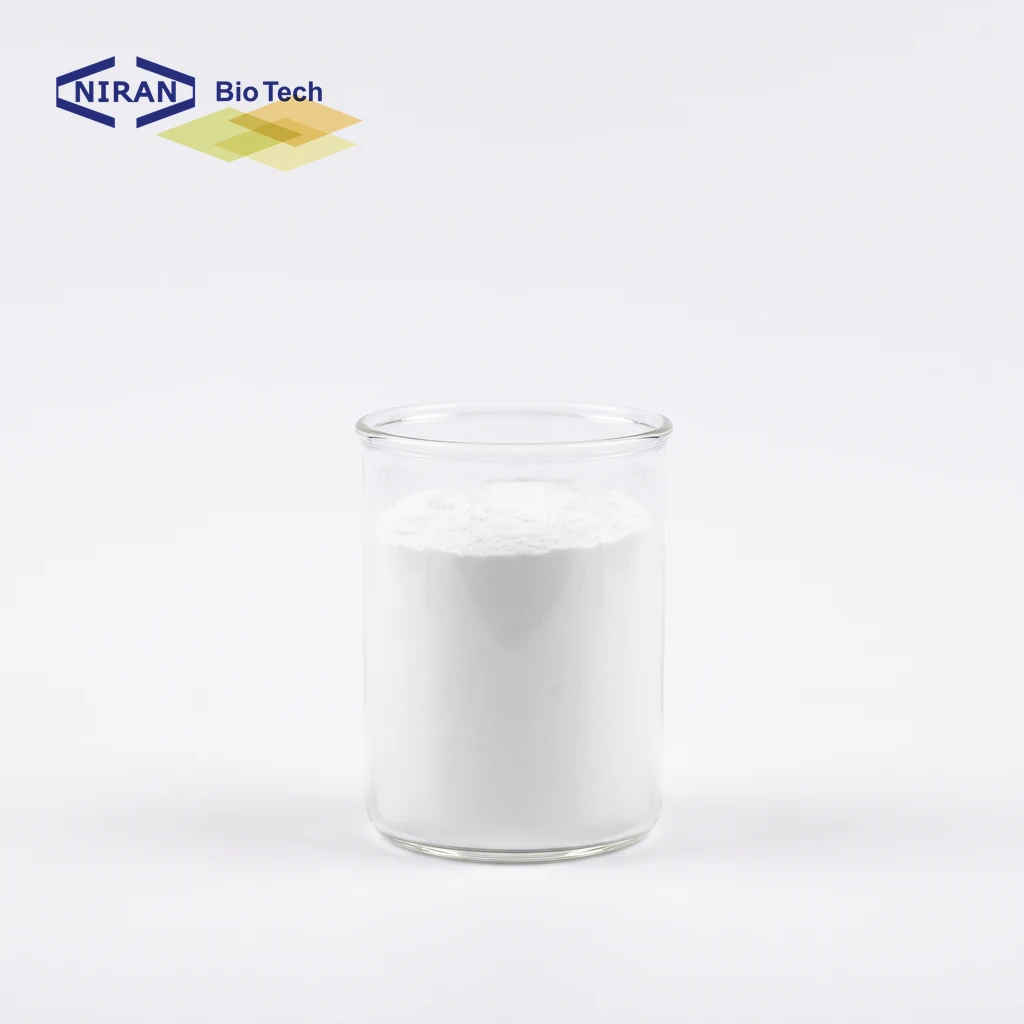
| Preservative blends combine organic acid salts such as sodium lactate, sodium acetate, and sodium diacetate into a single free-flowing powder system designed to deliver antimicrobial protection in processed foods. |
What types of preservative blends are available?
Common systems include sodium lactate with sodium acetate for cooked meats, sodium lactate with sodium acetate and sodium diacetate for broader antimicrobial coverage, and potassium acetate with potassium diacetate for reduced-sodium formulations.
How do preservative blends extend shelf life?
Lactate and acetate salts reduce the growth rate of spoilage and pathogenic microorganisms, and combined with the buffering and water-binding effect of the system, this slows quality deterioration in chilled products.
Can preservative blends replace nitrite in cured meat?
Preservative blends are generally used to support nitrite-cured systems rather than to replace them, since nitrite provides specific cured flavor, color, and protection against Clostridium botulinum. Requirements depend on the regulatory framework of the target market.
How do preservative blends support sodium reduction?
| Potassium-based systems contribute potassium instead of sodium, allowing part of the sodium load to be replaced while maintaining the antimicrobial and functional performance of the blend. |
What applications are preservative blends suitable for?
| They are widely used in processed meat, poultry, sausages, seafood, ready-to-eat products, processed cheese, bakery, and savory seasoning systems where shelf life and food safety are key requirements. |
Can preservative blends be customized?
| Yes. Blend ratios, such as the proportion of acetate or diacetate, can be adjusted to match the target pH, the required shelf life, the sodium level, and the specific process conditions of the finished product. |
How do I choose the right preservative blend?
The appropriate blend depends on the food type, the target organisms, the required shelf life, the sodium target, and the process conditions. Product-specific trials are normally needed to confirm performance before commercial use.