Encapsulation & Blending Solutions Since 2003

Encapsulated salt is conventional salt coated with a food-grade protective layer, typically based on lipid or carbohydrate materials. The coating acts as a physical barrier that regulates dissolution and interaction with other ingredients, so the salt is released only under specific conditions such as moisture, mechanical action, or oral processing. The salt itself is the same sodium chloride. What changes is when it can dissolve, how it is distributed, and how saltiness is perceived.
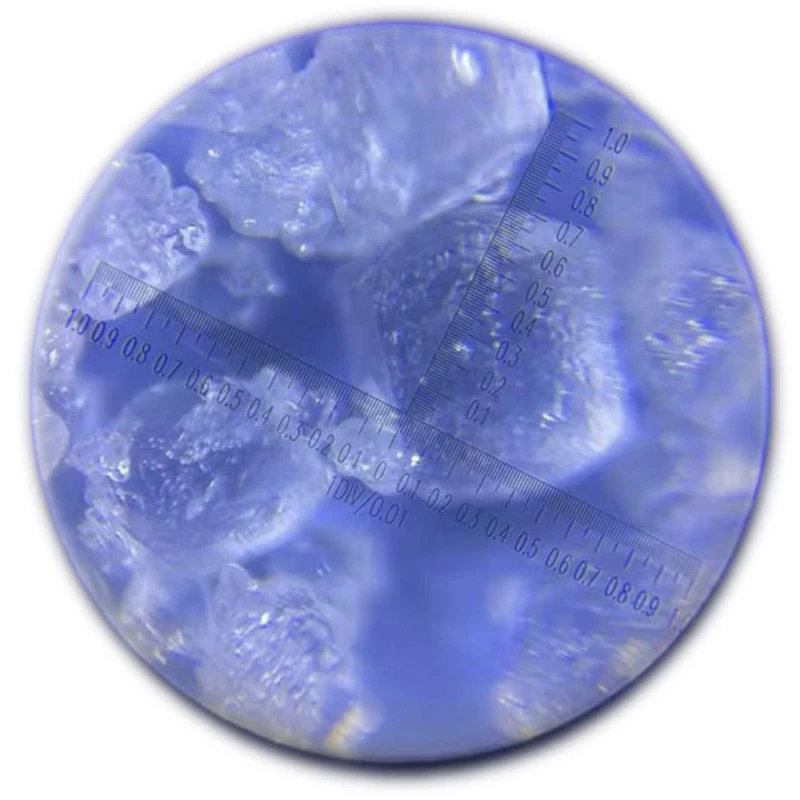
How Encapsulated Salt Changes Release Timing
Regular salt dissolves rapidly on contact with moisture. That behavior is right for brines, many wet systems, and some doughs, where the goal is complete dissolution as early as possible. In dry or surface-seasoned products, the same behavior becomes a constraint. Surface salt can migrate into the piece or the pack, and the saltiness hit can fade quickly after the first bite.
Encapsulated salt shifts this timing. Two release-rate types are described:
- Rapid-release type: the coating allows quick dissolution when exposed to saliva or moisture, giving a fast, strong salt impact on the product surface. It suits snacks and surface-seasoned products that need instant flavor perception.
- Sustained-release type: dissolution is regulated for a more gradual, longer-lasting profile, helping keep saltiness more consistent over time in processed and formulated foods.
Moisture-triggered and heat-triggered designs also exist. Actual release depends on the system, the formula, and the process.
Moisture Behavior and Handling in Dry Blends
In humid powder blends, regular salt can cake, lose flow, and dose unevenly. The coating on encapsulated salt reduces moisture interaction, which helps limit clumping and supports better flow in powdered seasoning blends. It does not replace packaging, humidity control, or process discipline.
The documented wall materials are lipids, dextrin, emulsifiers, or salts, with custom combinations available. Lipids are oil-type (hydrophobic) coatings; carbohydrate materials such as dextrin are water-soluble systems. Specify the wall alongside the application.
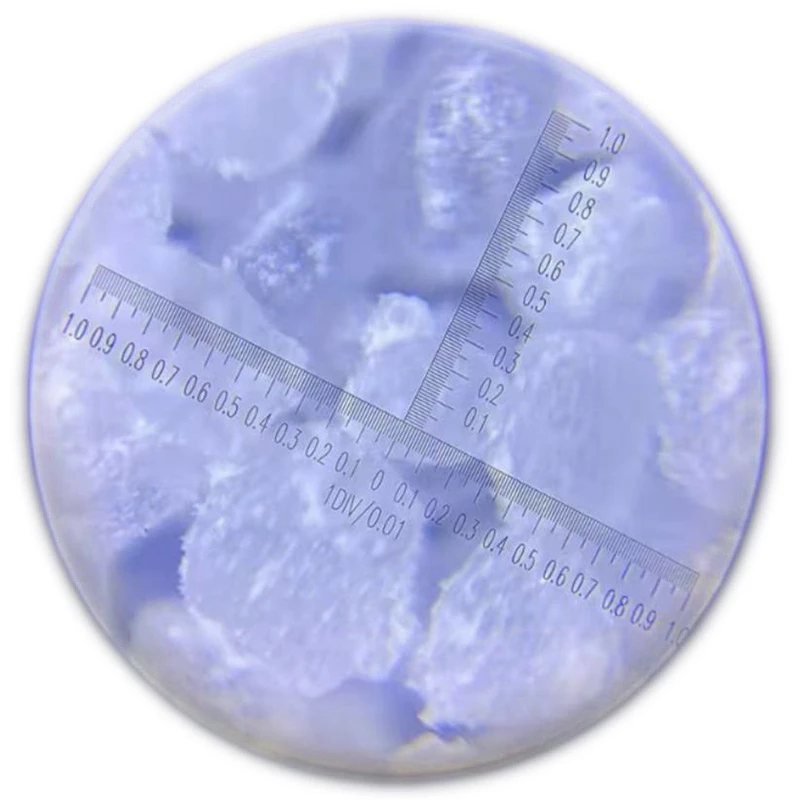
Encapsulated Salt and Surface Saltiness
Surface delivery is where encapsulated salt most often earns its place. On chips, extruded snacks, and coated nuts, better distribution and adhesion can enhance saltiness perception. Because more of the salt is available where the palate meets the product, the same perceived intensity may be reachable at a lower actual salt content. Confirm that by sensory work on the finished product.
Encapsulated salt is not a sodium substitute. It is still sodium chloride, delivered differently. Any lower usage rate comes from more efficient delivery and perception, not from changing the salt molecule. Replacing sodium chloride with another salt, such as potassium chloride, is a different approach from encapsulation and sits outside this comparison.
Regular vs Encapsulated Salt: Side by Side
| Property | Regular salt | Encapsulated salt |
|---|---|---|
| Response to moisture | Dissolves rapidly | Coating limits moisture interaction |
| Release timing | Immediate once moisture is present | Rapid or sustained, by design |
| Surface distribution | Can be uneven; surface salt may be lost early | Improved distribution and adhesion |
| Perceived saltiness | Strong initial hit, may fade | Can be enhanced or prolonged; confirm by trial |
| Handling in dry blends | Can cake in humid conditions | Better flow, less clumping |
| Active salt per kg | Full | Reduced by wall material |
Where Each Grade Fits
Regular salt remains the right choice when immediate, complete dissolution is wanted, or when the formula and process already control distribution well enough without a coating. Brines, many dough systems, and wet processes often fall here.
Encapsulated salt is worth evaluating when surface delivery, humidity-related caking, or a more controlled release profile is the constraint:
- Snacks and surface-coated products: chips, extruded snacks, and coated nuts, where surface distribution drives perception.
- Seasonings and powdered blends: improved flowability and less moisture-induced caking.
- Processed foods: ready meals, processed meats, and convenience foods, where consistent flavor and efficient salt use matter.
- Bakery products: controlled release during consumption, with attention to dough handling and stability.
- Low-sodium formulations: perceived saltiness support so a lower actual salt content can still meet taste expectations.
Controlled release also appears in sweet systems. Salty caramel is one example, where timed salt release can shape how the salt note develops during eating.
Because the grade carries a wall material, it does not deliver the same active salt per kilogram as regular salt. The standard core content is 85% and is customizable, with a core/wall ratio adjustable from 60-90% core to 10-40% wall. Do not swap regular salt one-for-one by weight. Adjust for core content, then confirm the sensory result. Particle size, coating, and release profile can be customized.
The broader encapsulated seasonings family covers salt and flavor together. Niranbio Tech supplies encapsulated salt in standard and customized grades, and line trials remain the most reliable check.
FAQs
Does an 85% core in encapsulated salt mean the finished seasoning blend is 85% salt?
No. The 85% figure describes the share of sodium chloride inside the encapsulated salt particle itself, with the rest being wall material. Once the particles are mixed with other ingredients in a blend, the salt share of the finished blend is lower and depends on the formula.
Does the coating on encapsulated salt make it waterproof?
No. The coating limits moisture interaction and slows dissolution, but it is a barrier that regulates release, not an absolute seal. Lipid-based walls resist water more, while carbohydrate walls such as dextrin are water-soluble, so behavior depends on the wall chosen and the system it sits in.
Conclusion
Niranbio Tech offers encapsulated salt in standard and customized grades. Its purpose is to control release and surface delivery; regular salt remains suitable where rapid, complete dissolution is wanted.