Encapsulation & Blending Solutions Since 2003

Encapsulated flavor is a flavor protection and delivery system built with extrusion-based encapsulation. Volatile aroma compounds are held inside a food-grade matrix, forming stable granules that stay intact through storage and processing. The aroma compounds can be the same as in a regular liquid or powder flavor: what changes is how they are protected during processing and storage, and when they are released.
What Regular Flavor Does Well
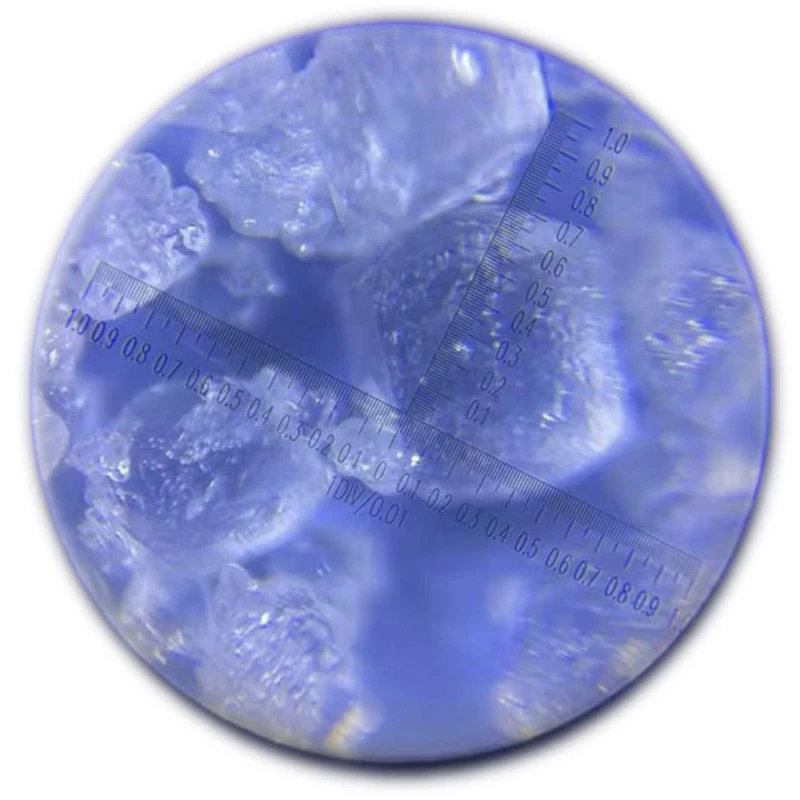
Typical liquid flavors and unprotected powder flavors expose volatile aroma compounds to heat, moisture, oxygen, and the surrounding process. That is not automatically a defect. Liquids disperse readily in wet systems and late-addition steps, and unprotected powders are useful in simple dry blends. When the process is mild, the flavor can be added after heating, or immediate dispersion in a wet system is the goal, regular flavor is often the right tool.
Regular flavor is typically purchased as a conventional liquid or powder flavor and is not listed as a generic standalone flavor product on niranbio.com. Individual aroma ingredients such as vanillin are supplied in regular, unencapsulated form, and they behave like any other exposed aroma material.
Where Regular Flavor Loses Aroma
The weak points are predictable. Volatile top notes can flash off when a liquid flavor is added into a hot mass, such as a hard-candy cook or a bakery oven. In storage, exposed aroma is open to oxygen and humidity, so oxidation and flavor loss can set in over time. Unprotected powders handle dry blends well but still leave aroma more exposed than a protected granule. Once the product is opened or eaten, the aroma is often front-loaded and then fades.
How Encapsulated Flavor Changes the Picture
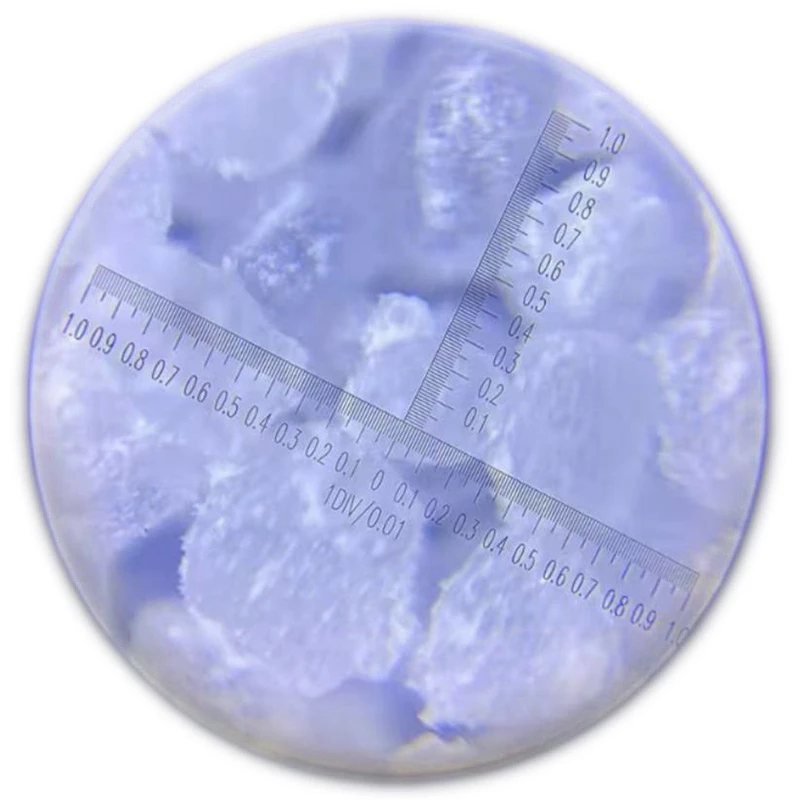
In the encapsulated form, the wall material acts as a barrier between aroma and environment. Documented walls are food-grade lipids, carbohydrates, or composite systems. Lipids correspond to oil-type (hydrophobic) coatings and carbohydrates to water-soluble (hydrophilic) systems; composites can combine them. The process documented for this product is extrusion-based encapsulation, not co-crystallization.
The finished product is a crisp, free-flowing granule, typically 1-2 mm (about 10-18 mesh), with a water activity below 0.5. That low moisture sensitivity helps limit uptake in humid or dry formulations. Under recommended storage conditions, the shelf life is stated as up to 4 years. The matrix reduces exposure to moisture, oxygen, and heat, which helps limit premature flavor loss and supports more consistent results from batch to batch.
Release Timing for Encapsulated Flavor
Protection is only half of the design. The other half is release. Encapsulated flavor can be built to respond to a defined trigger:
- Hydration: the structure stays stable when dry and releases flavor on contact with water, which suits instant drinks where flavor is activated during rehydration.
- Heat: the matrix withstands processing conditions and releases flavor under elevated temperatures, so aroma develops at the desired stage, for example during baking.
- Mechanical action: crisp granules break under force such as chewing, producing a flavor-burst effect.
The trigger must match the grade. A capsule that never meets its trigger will not deliver aroma. Actual release depends on the system, formulation, and processing conditions, so release diagrams are illustrations, not guarantees. The 135-165°F / 57-74°C melt range used for some encapsulated acids is not stated for encapsulated flavor.
Encapsulated Flavor vs Regular Flavor at a Glance
| Property | Regular flavor | Encapsulated flavor |
|---|---|---|
| Exposure to heat | Direct; volatile notes can flash off | Matrix shields aroma during processing |
| Moisture and oxygen | Open to both during storage | Barrier limits exposure; Aw below 0.5 |
| Release timing | Often immediate and front-loaded | Triggered: hydration, heat, or mechanical action |
| Dry systems | Powders handle well but stay exposed | Free-flowing granules, low moisture sensitivity |
| Wet systems | Disperses readily | Release depends on the trigger and grade |
| Shelf-life protection | Aroma more exposed in storage | Up to 4 years under recommended storage |
Choosing Between Encapsulated Flavor and Regular Flavor
Encapsulated flavor is worth evaluating when heat, oxygen, humidity, long storage, or a defined release moment is the constraint. Typical cases include instant drinks that release flavor on hydration, bakery that holds aroma through the oven, confectionery cooks such as hard candy, sports nutrition products that need more consistent flavor around protein or vitamin off-notes, and snacks or seasonings that need controlled release. The broader encapsulated seasonings family covers salt and flavor together.
Regular flavor stays the simpler choice for mild processes and late-addition steps. Encapsulated grades include wall material, so they do not carry the same aroma content per kilogram as a concentrated regular flavor; do not swap one-for-one by weight without adjusting for flavor load and confirming by sensory trial. Also check that the process actually contains the intended trigger. Encapsulation does not replace packaging, process control, or a well-chosen flavor profile.
FAQs
Does encapsulated flavor use the same melt range as encapsulated acids?
No. Some heat-triggered encapsulated acids use a hydrogenated vegetable oil coating that typically melts at 135-165°F / 57-74°C. That range is not stated for encapsulated flavor, which is an extrusion-based matrix with lipid, carbohydrate, or composite walls. Confirm the actual trigger and processing window for the flavor grade you are testing.
Will a hydration-triggered encapsulated flavor work in a dry snack?
Only if the grade also meets a trigger that is present when the snack is eaten, such as chewing or moisture from saliva. A hydration-triggered grade designed for instant drinks is a poor fit if the product stays dry and is never rehydrated. Match the trigger to the product.
Are the 1-2 mm encapsulated flavor granules visible in a finished product?
They can be. The standard particle size is about 1-2 mm (10-18 mesh), and size is customizable, so a visible burst granule and a finer grade are different choices. Confirm appearance and release together in a line trial.
Niran Bio Tech supplies encapsulated flavor in customizable profiles and grades, including fruit, dairy, nut, and savory systems, with adjustable particle size, coating systems, and release characteristics. Line trials remain the most reliable check.