Encapsulation & Blending Solutions Since 2003

Regular fumaric acid and encapsulated fumaric acid are the same acid. The difference is when that acid becomes available. In a dough, batter, or leavened mix, an acid that is active during mixing and fermentation can react with alkaline ingredients, change dough behavior, and spend its function before the oven. A coating that holds the acid back until heat arrives changes the timing, not the chemistry.
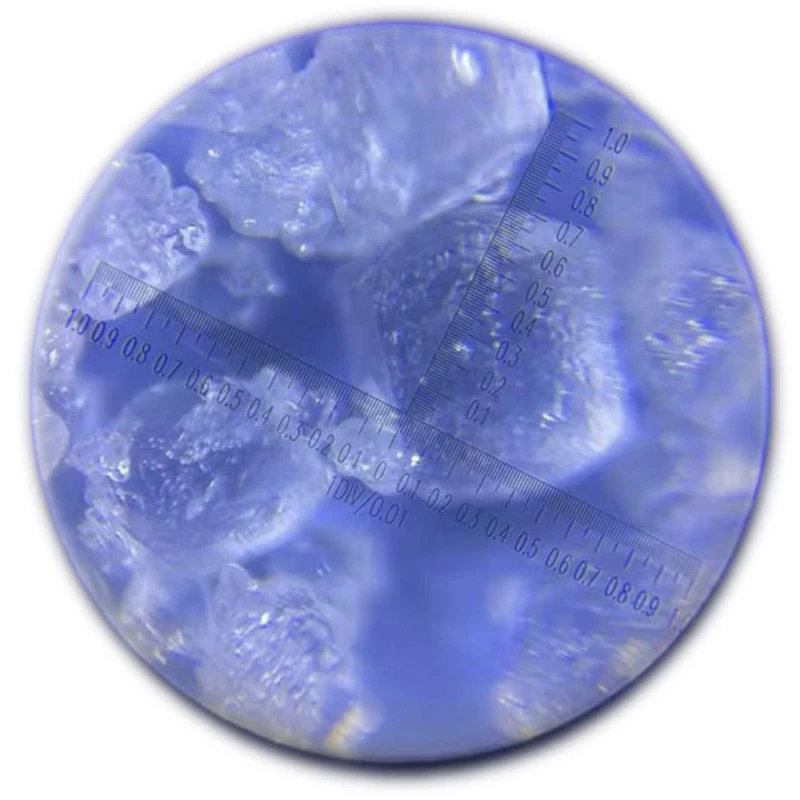
What Stays the Same with Encapsulated Fumaric Acid
Regular fumaric acid is a white crystalline powder with a strong, persistent acidic taste. It has relatively low water solubility and very low hygroscopicity, so it suits dry formulations and powdered products. It acts as an acidulant and pH regulator, gives a clean, long-lasting sour note, and has a stronger acidifying effect per unit weight than citric acid, which can allow lower usage levels in some applications.
Because it already resists moisture pickup, encapsulating fumaric acid is not mainly about caking or surface wetting. That moisture story belongs to highly soluble acids such as those compared in Encapsulated Citric Acid vs Regular Citric Acid. For fumaric acid the question is narrower: how long does the acid stay out of the system once water, flour, and leavening are in the bowl?
How Encapsulated Fumaric Acid Is Built
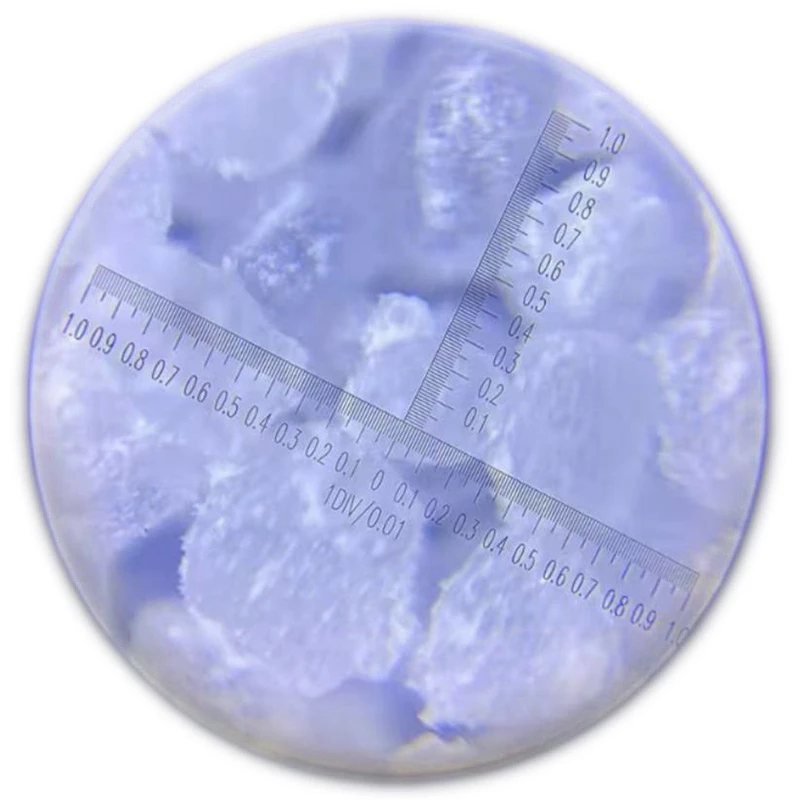
By solubility, encapsulation systems are oil-type (hydrophobic) or water-soluble (hydrophilic). Hydrogenated vegetable oil (HVO) is the default oil-type coating and the documented wall for this product. Co-crystallization is a process, not a third wall material, and it is not used on this fumaric grade.
The documented grade, NBT-8504, is heat-triggered only: fumaric acid 85 ± 3%, fully hydrogenated vegetable oil coating, 30 mesh with 90% passing, moisture 5% or less. When the product reaches the coating’s melting range, typically 135-165°F / 57-74°C, the barrier melts and the acid is released. Melt range, acid content, particle size, and release characteristics can be customized.
What Happens During Mixing and Fermentation
Regular fumaric acid does not dissolve instantly. Low solubility already slows dissolution, and some processes use coarser particles for that reason. Even so, nothing physical stops it from dissolving over a mix, a rest, or a long fermentation. Acid that dissolves early can start acid-base reactions with alkaline leavening before baking, lower dough pH while yeast and gluten are still working, and leave less acid for the stage where it was meant to act.
Encapsulated fumaric acid adds a definite barrier. The coating stays solid through normal mixing and fermentation, helping prevent premature acid release and reducing unwanted reactions with alkaline ingredients. Holding the acid back can help protect gluten structure and yeast activity, and the delayed acid-base reaction supports more controlled carbon dioxide generation during baking. These benefits are qualitative. Actual results depend on formulation, processing, packaging, and storage.
Regular vs Encapsulated Fumaric Acid at a Glance
| Property | Regular fumaric acid | Encapsulated fumaric acid |
|---|---|---|
| Solubility and moisture behavior | Low water solubility, very low hygroscopicity | Same acid behind an oil coating; free-flowing, low hygroscopicity |
| Release timing in a wet or dough system | Dissolves gradually once water is present | Held until the coating melts; heat is the only trigger |
| Contact with alkaline leavening | Can begin reacting during mixing | Reaction delayed until the coating melts |
| Dough mixing and fermentation | Acid may be active early | Coating stays solid through normal mixing and fermentation |
| Where it usually fits | Dry beverage powders, dry mixes, dessert mixes, sour coatings | Bread, cakes, tortillas, flatbreads, biscuits, leavening systems, meat, pudding premixes |
Where Each Form Fits
Regular fumaric acid fits dry and low-moisture products where the acid is meant to be present from the start: dry beverage powders, gelatin and dessert mixes, dry baking mixes, and sour sugar coatings. Low hygroscopicity and lasting sourness do the work, and no delay is required. Fumaric acid can also extend a sour finish in layered profiles; see Layered Sour Systems.
Encapsulated fumaric acid fits where a wet or warm stage comes before intended acidification. Bread, cakes, biscuits, flatbreads, and other leavened systems are the clearest cases. Tortillas are one documented example in Encapsulated Fumaric Acid for Flour Tortillas. Meat products and pudding premix powders are other delayed-acidification uses. Encapsulation is not required in every dry mix or sour coating: if the acid should act immediately and there is no early reaction to avoid, regular fumaric acid is the straightforward choice.
Limits of a Heat-Triggered Encapsulated Fumaric Acid Coating
A coating only helps if the process respects it:
- Not a one-for-one swap. The standard grade is 85 ± 3% fumaric acid because of the coating. Adjust usage against the stated content and confirm in the formula.
- Temperature history. Keep the coating below its melt range until release is wanted. A warm proofing or holding step above that range can release the acid early.
- Release must occur. The process later has to reach the melt range, or otherwise disrupt the coating, when the acid is needed.
Other acids can use different release designs. Citric and malic acids also have encapsulated forms, including encapsulated citric acid; the malic comparison is in Encapsulated vs Regular Malic Acid.
Choosing Between Encapsulated and Regular Fumaric Acid
The choice follows the process. Where the system is dry, stable, and meant to taste sour on contact, regular fumaric acid already delivers a low-moisture-pickup, long-lasting acid. Where dough, batter, or a leavening system must pass through mixing and fermentation before acid is wanted, encapsulated fumaric acid keeps the acid behind a heat-triggered barrier until the oven does the work.
Niran Bio Tech supplies encapsulated fumaric acid in standard and customized heat-triggered grades, with melt range, acid content, and particle size adjustable to the line. Regular unencapsulated fumaric acid is supplied on the main Niran Bio site. Line trials remain the most reliable check.
FAQs
Does regular fumaric acid react immediately in dough?
Not instantly. Low water solubility slows dissolution, and coarser particles are sometimes used to slow it further. It can still dissolve over mixing and fermentation, so early acid-base reactions remain possible. Encapsulation adds a more definite barrier until the coating melts.
What triggers release in encapsulated fumaric acid?
Heat only. The hydrogenated vegetable oil coating melts at its melting range, typically 135-165°F / 57-74°C, and the acid is then released. The melting range can be customized.
Can encapsulated fumaric acid replace regular fumaric acid at the same weight?
No. The standard grade is 85 ± 3% fumaric acid because of the coating, and release timing differs. Adjust usage against the stated content and confirm in the formula.
Is encapsulation needed for every dry mix or sour coating?
No. Regular fumaric acid is already low in hygroscopicity and suits many dry formulations. Encapsulation is most useful when a wet or warm stage comes before acid is wanted.