Encapsulation & Blending Solutions Since 2003

Choosing between regular malic acid and encapsulated malic acid is not a question of which molecule is better. The acid is the same. What changes is when it can dissolve and how well it is shielded from humidity and from neighboring ingredients. This comparison looks at release timing, moisture behavior, processing stability, and storage handling, so formulators can decide where each grade fits.
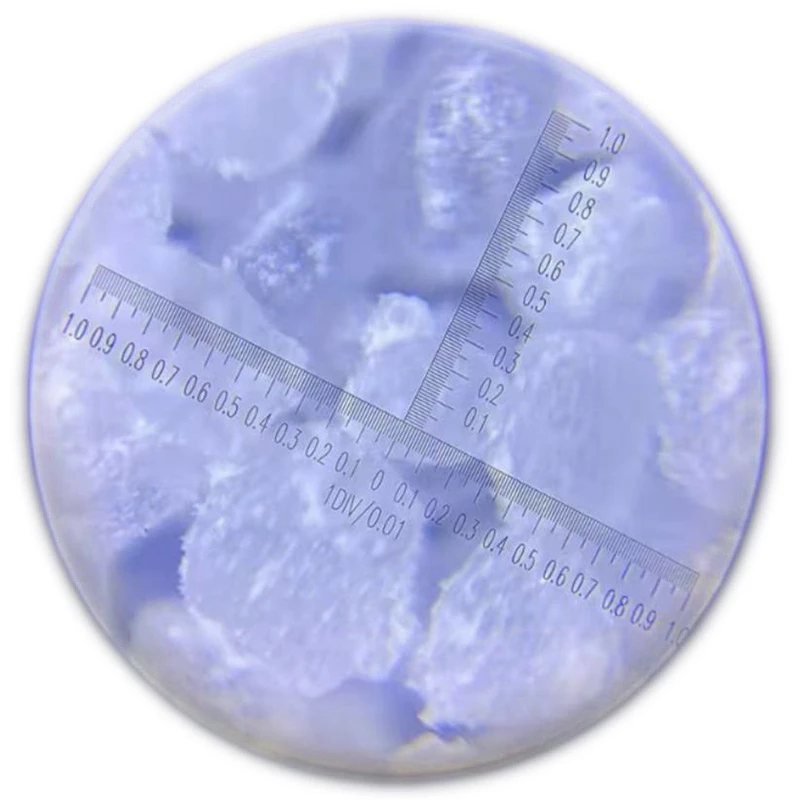
What Stays the Same with Encapsulated Malic Acid
Regular malic acid is a white crystalline powder that is highly soluble in water. It dissolves readily on contact with moisture, which is useful in many liquid and wet systems. In a dry or low-moisture product, that same solubility means any water pickup can trigger premature acid release and unwanted interactions with other ingredients.
Encapsulation does not alter the acid itself. The tartness profile is unchanged: malic acid gives a smoother, longer-lasting tartness than citric acid and helps extend fruit flavors, especially apple, berry, and citrus notes. For the sensory side of that comparison, see malic acid vs citric acid. Here the question is delivery, not taste.
How Encapsulated Malic Acid Is Built
By solubility, encapsulation systems are oil-type (hydrophobic) or water-soluble (hydrophilic). Hydrogenated vegetable oil (HVO) is the default oil-type coating. Co-crystallization is a process rather than a third wall material, and in confectionery it is the process used most often, along with embedding and fusion.
Two standard grades illustrate the split:
- Moisture-triggered (NBT-8502MN): a co-crystallized system of malic acid (75 ± 3%) and sodium malate (25 ± 3%), 25-60 mesh with 85% passing. Malic acid becomes available on contact with moisture.
- Heat-triggered (NBT-8502): malic acid (90 ± 2%) with an edible oil coating (10 ± 2%), 25-60 mesh with 90% passing. The HVO layer acts as a moisture-resistant barrier and melts within its range, typically 135-165°F / 57-74°C, to release the acid. The melting range can be customized.
Malic acid content, particle size, and release characteristics can also be tailored to the application.
Regular vs Encapsulated Malic Acid: Side by Side
| Property | Regular malic acid | Encapsulated malic acid |
|---|---|---|
| Response to moisture | Dissolves readily on contact | Barrier or co-crystal structure delays dissolution until the trigger |
| Release timing | Immediate once moisture is present | Triggered by moisture or heat, depending on grade |
| Humid storage and handling | Needs sealed, dry conditions | Helps reduce direct moisture exposure; still store properly |
| Contact with other ingredients | Free to interact once dissolved | Acid held back until the trigger |
| Control of sourness development | Sourness appears at once | Regulates when sourness develops |
Treat the table as a directional guide. Actual performance depends on formulation, packaging, and storage.
Moisture Behavior and Processing Stability
The practical difference shows up where free water is scarce but not absent. In acid-sanded candies, surface-applied acid powder can pull in moisture from the product and the air, which leads to dampness and stickiness. Encapsulation can help reduce that moisture-related surface dampness. A related confectionery case is the sour gummy moisture problem. The same logic applies to dry mixes and seasoning blends, where early dissolution can cause clumping, and a suitable encapsulated grade can also help reduce caking and support more consistent powder handling.
A heat-triggered grade stays shielded through mixing and handling, then releases when the product reaches its melt range. That can suit heat-finished applications and meat products that need delayed acid release, provided the process temperature is matched to the coating. A moisture-triggered grade suits systems where release should wait until water is present. Match the trigger to the actual process temperature and moisture conditions rather than assuming one grade fits every line.
Storage Handling and How to Choose
Regular DL-malic acid, the form more commonly used in large-scale food manufacturing, should be stored cool and dry in sealed packaging, protected from moisture. Under those conditions its typical shelf life is 24 months. The L-isomer is the naturally occurring form; commercially, L-malic acid is produced by fermentation, not extracted from fruit. Encapsulated grades also need sealed, cool, dry storage, and protection from moisture and heat, particularly the heat-triggered type, whose coating is designed to melt. A separate shelf-life figure is not stated for the encapsulated grades, so confirm storage against the specific grade and packaging.
Regular malic acid remains the right choice where immediate dissolution is wanted, such as beverages, wet fillings, and other liquid systems. Encapsulated malic acid fits where timing, humidity, or ingredient compatibility is the constraint, including acid-sanded candy, gummies, hard and chewy candies, confectionery fillings, seasoning blends, dry mixes, and meat products that need controlled acid release.
Many formulations use both acids. Encapsulated malic acid can be combined with encapsulated citric acid to adjust sourness intensity and the overall acid profile. The sister comparison for citric is Encapsulated Citric Acid vs Regular Citric Acid. Where regular citric acid is the unencapsulated input, citric acid anhydrous is available.
Niranbio Tech supplies encapsulated malic acid in standard and customized grades, and line trials remain the most reliable check before scale-up. Regular unencapsulated malic acid is supplied on the main Niran Bio site.
FAQs
Does encapsulation change the taste of malic acid?
No. The acid is identical. Encapsulation changes when the acid becomes available, which can shift how sourness is perceived over time in the product, not the character of the acid itself.
What is the difference between moisture-triggered and heat-triggered encapsulated malic acid?
Moisture-triggered grades are co-crystallized with sodium malate and release malic acid on contact with moisture. Heat-triggered grades use a hydrogenated vegetable oil coating that melts within its range, typically 135-165°F / 57-74°C, and that range can be customized.
Can regular malic acid be replaced with encapsulated malic acid one for one?
Not directly. Encapsulated grades carry less active acid per kilogram because of the coating or the co-crystal partner, and release timing differs. Adjust usage against the stated malic acid content and confirm results in the formulation.