Encapsulation & Blending Solutions Since 2003

The malic acid vs citric acid decision is rarely about which acid is more sour. It is about when the sourness arrives, how long it stays, and what the acid does to the rest of the system. Citric acid delivers a sharp, immediate, clean onset. Malic acid gives a smoother, longer-lasting tartness that helps carry fruit flavor. Both are used across confectionery, beverages, and coatings, and the right pick depends on the sensory curve and on how the acid behaves in a dry or moist matrix.
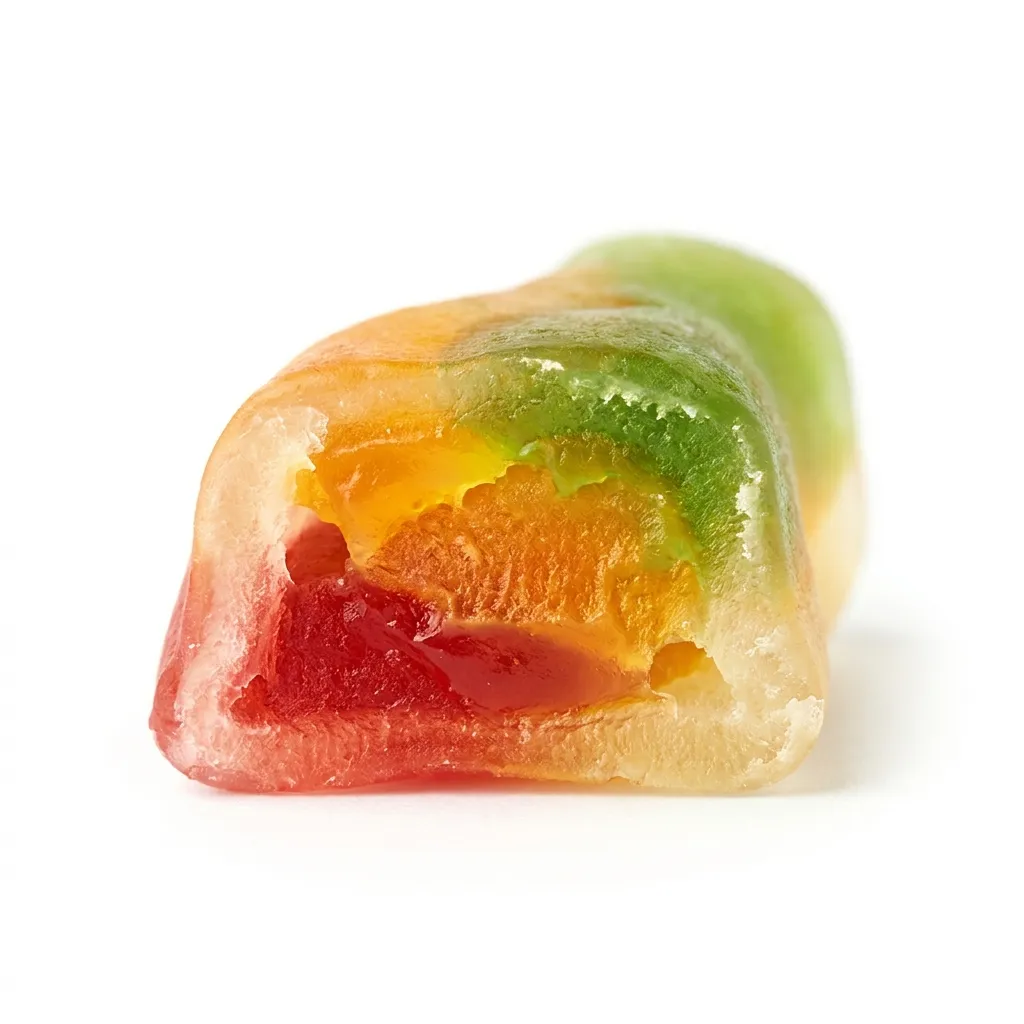
Malic Acid vs Citric Acid: What Changes in the Sour Profile
Citric acid is the benchmark for a fast, clean sour hit. It is highly water-soluble, so it dissolves quickly on the tongue and in water-based systems, which is why it is a primary acidulant in beverages, hard candies, gummies, and sour coatings. The sensation peaks early, then fades.
Malic acid behaves differently. Its sourness builds more smoothly and lasts longer than citric acid. That longer tail helps extend fruit flavor, especially apple, berry, and citrus profiles, and explains its wide use in sour candies, gummies, hard candies, and chewing gum. Fruit notes tend to persist longer when malic acid is part of the system.
Malic acid is commercially available in two forms. DL-malic acid is the form more commonly used in large-scale food manufacturing, and it provides a longer-lasting sour profile compared with some other organic acids. L-malic acid is the naturally occurring isomer. On the citric side, citric acid anhydrous is preferred in dry, moisture-sensitive blends because it contains no water of crystallization.
How the Choice Shows Up in Formulation
In a beverage the acid is fully dissolved and the difference is mostly sensory: citric acid reads as bright and clean, while malic acid supports a rounder fruit profile and a longer finish. In a dry system such as acid-sanded candy, regular citric or malic acid dissolves readily when it meets moisture. That can cause premature acid release, surface dampness, and stickiness, and it can trigger unwanted reactions with neighboring ingredients. The same issue can appear in hard candy coatings. A related gummy-coating case is covered in the sour gummy moisture problem article.
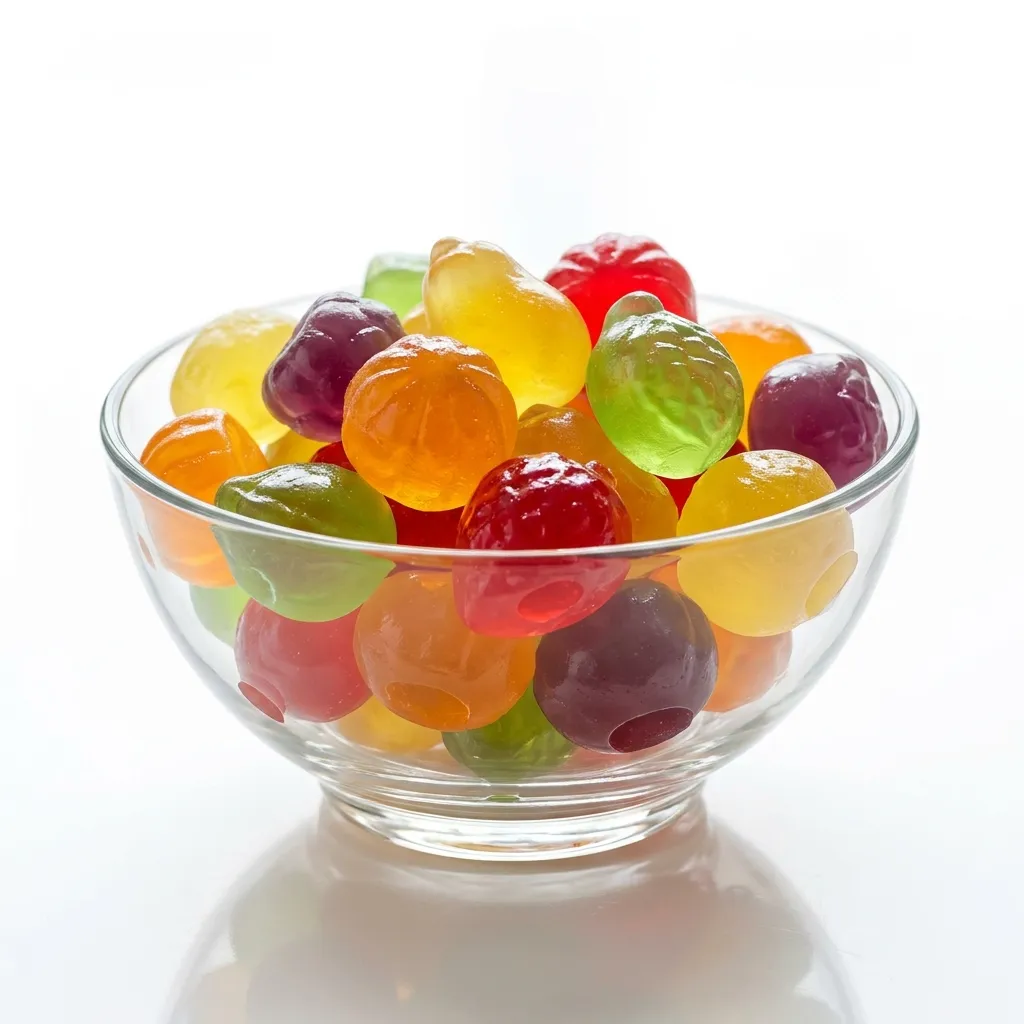
| Attribute | Citric acid | Malic acid |
|---|---|---|
| Sour onset | Sharp, immediate | Smoother, more gradual |
| Linger | Shorter | Longer-lasting |
| Typical role | Clean, bright acidulant | Extends fruit flavor and tartness |
| Regular grade with moisture | Dissolves readily, risk of dampness and stickiness | Dissolves readily, same risk |
| What encapsulation changes | Delays and regulates the sharp onset | Delays and regulates the sustained note |
Why Encapsulation Changes Malic Acid vs Citric Acid
Encapsulation shifts the question from which acid to when each acid becomes available. A coating or co-crystallized matrix delays dissolution until a designed trigger is met. That helps reduce moisture-related dampness and stickiness in acid-sanded candies and gives control over when sourness develops. Actual performance still depends on formulation, packaging, and storage.
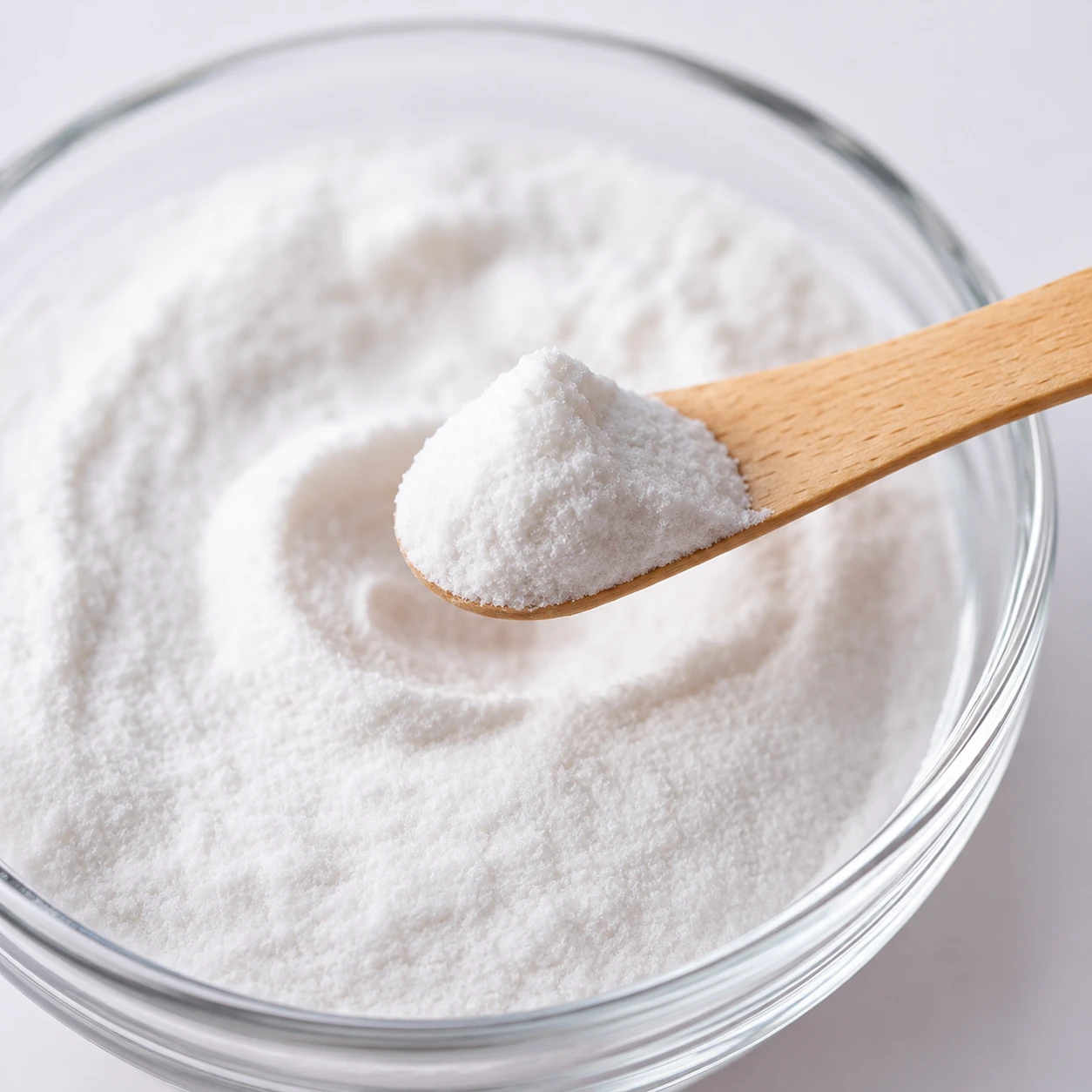
Encapsulated Citric Acid and Encapsulated Malic Acid are each available in moisture-triggered and heat-triggered systems, with customizable acid content, particle size, and release characteristics.
- Citric, moisture-triggered: sodium citrate system, citric acid content of 97% or higher, sodium citrate 1.5%-3.5%, 30-80 mesh with 85% passing.
- Citric, heat-triggered: hydrogenated vegetable oil coating, citric acid 90 ± 2%, edible oil 10 ± 2%, 20-60 mesh with 80% passing.
- Malic, moisture-triggered: co-crystallized malic acid and sodium malate, malic acid 75 ± 3% and sodium malate 25 ± 3%, 25-60 mesh with 85% passing.
- Malic, heat-triggered: malic acid 90 ± 2%, edible oil 10 ± 2%, 25-60 mesh with 90% passing.
The typical melting range for heat-triggered grades is 135-165°F / 57-74°C, and it can be customized. The oil coating is a moisture-resistant barrier, so heat-triggered grades are a common starting point when a sanding must stay drier in storage, or when process heat can melt the coating. Moisture-triggered grades become available on contact with moisture, which suits powders that should dissolve in water. Confirm the trigger on the target line.
Choosing and Combining the Two Acids
The two acids are often combined rather than chosen between. A standard layered profile uses a sharp citric onset followed by a more sustained malic finish. More citric pushes the curve toward a fast, clean hit; more malic extends the tail and supports fruit character.
The encapsulated grades can be blended the same way, which lets a formulator tune intensity and keep a sanding or coating step drier. For a longer sour note, Encapsulated Fumaric Acid is a third, lower-solubility option. It is a heat-triggered product (fumaric acid 85 ± 3%, typically 135-165°F / 57-74°C) and can be added as a further layer in a multi-acid system.
Use citric acid where a bright, immediate sour is the priority, malic acid where a smoother, longer finish matters, and a combination where the product needs both. Niranbio Tech supplies both encapsulated acids in standard and customized grades, and regular grades are supplied on niranbio.com. Line trials remain the most reliable check.
FAQs
What is the main difference in malic acid vs citric acid?
Citric acid gives a sharp, immediate, clean sour onset, while malic acid provides a smoother, longer-lasting tartness that helps extend fruit flavor. The choice is mainly about the shape of the sour curve.
Can citric and malic acid be used together?
Yes. Combining them is a standard way to build a layered sour profile, with citric acid providing the sharp onset and malic acid the sustained finish.
Does encapsulation change which acid I should choose?
It changes when the acid becomes available, not the character of the acid itself. Encapsulation delays dissolution and helps regulate when sourness develops, which can reduce dampness and stickiness in acid-sanded candies.