Encapsulation & Blending Solutions Since 2003

Encapsulated citric acid is a controlled-release acidulant: the acid is held inside a protective system and becomes available only when a designed trigger is met. Regular citric acid dissolves readily on contact with moisture, so it can release too early and start reacting with neighboring ingredients.
The chemistry of the acid does not change. What changes is when it can dissolve, and how well it is shielded from humidity and from other ingredients during mixing, packing, and storage. The comparison below looks at release, moisture behavior, processing stability, and shelf life. Sour candy, powdered drink mixes, and meat sticks appear only as examples.
Encapsulated Citric Acid vs Regular: What Actually Changes
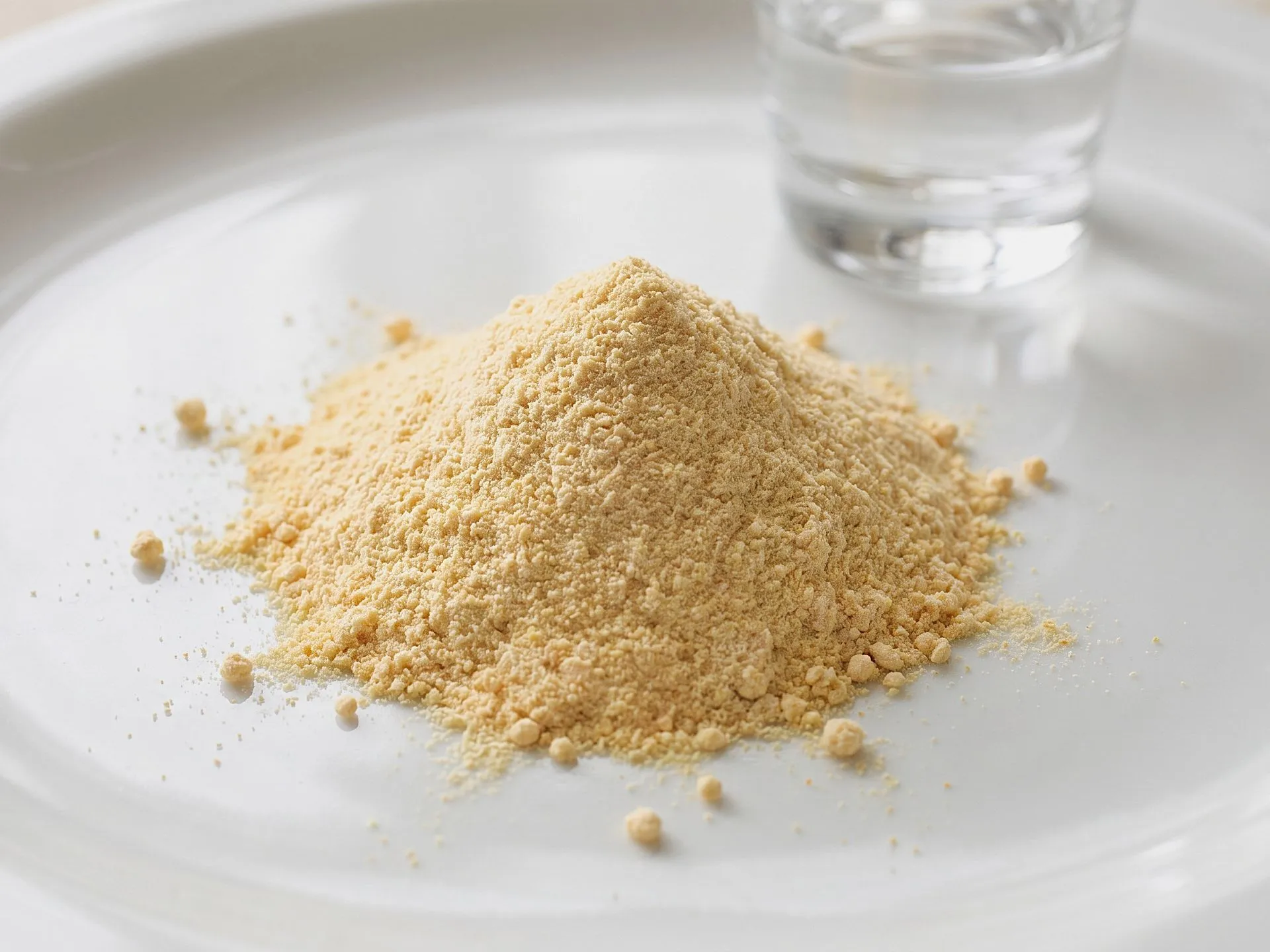
In the regular grade, the crystal surface is fully exposed. Humid air, a wet ingredient, or a damp coating can start dissolving it at once. Encapsulation delays that contact. A moisture-triggered system uses sodium citrate in a co-crystallized structure, so the acid becomes available when moisture reaches the particle. That format suits beverage powders and effervescent products that need to dissolve in water. A heat-triggered system uses a hydrogenated vegetable oil coating as a moisture-resistant barrier. The coating melts in its melting range, typically 135-165°F / 57-74°C, and the range can be customized.
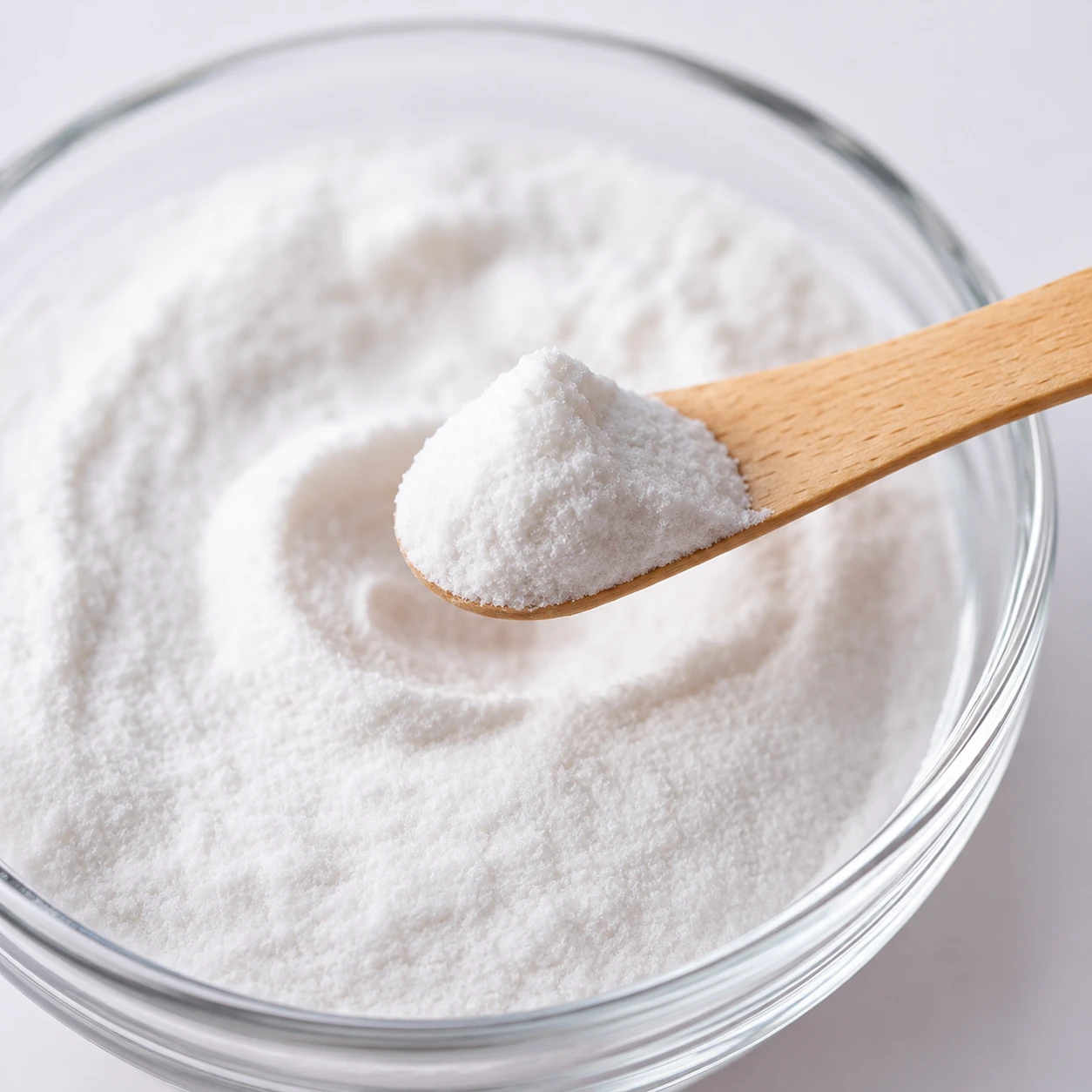
Both systems are offered in more than one citric acid content and particle size. Moisture-triggered material is supplied at 97% citric acid or higher (30-80 mesh). Heat-triggered material is supplied at 90 ± 2% citric acid with 10 ± 2% edible oil (20-60 mesh). Choose the grade from the process, then confirm release on the target line.
| Property | Regular citric acid | Encapsulated citric acid |
|---|---|---|
| Response to moisture | Dissolves readily on contact | Protected until the trigger condition is met |
| Release timing | Immediate in wet conditions | Delayed, then controlled by the system |
| Humid storage and handling | Can cake and lose flowability | Barrier helps limit moisture exposure |
| Contact with alkaline ingredients | Reaction can start during mixing or storage | Helps delay premature reaction |
Moisture, Hygroscopicity, and Processing Stability
Free citric acid readily absorbs atmospheric moisture. Once surface moisture is present, particles can cake, lose flow, and bridge in hoppers or augers in open blending rooms. That same moisture can also start a reaction with alkaline ingredients such as sodium bicarbonate, so carbon dioxide is lost before the product is used. In bakery and other leavening systems, a heat-triggered grade is meant to delay that early reaction until the process heat arrives.
Anti-caking agents can improve flow, but they do not protect the acid itself. Encapsulation adds a physical barrier at the particle level. A related surface-coating example is the sour gummy moisture problem, where unprotected acid in a sanding can absorb moisture, turn sticky, and migrate into the candy body. Performance in every application still depends on formulation, packaging, and storage conditions.
How the Difference Shows Up in Use
Powdered drink mixes. Free citric acid often performs well in single-serve sachets stored in controlled conditions. In multi-serving tubs, on humid export routes, or in blends that also contain carbonates, it can absorb moisture, harden the powder, and react too early. Encapsulation isolates the acid during storage and releases it once the powder is agitated in water. See Encapsulated Citric Acid for Powdered Drink Mixes.
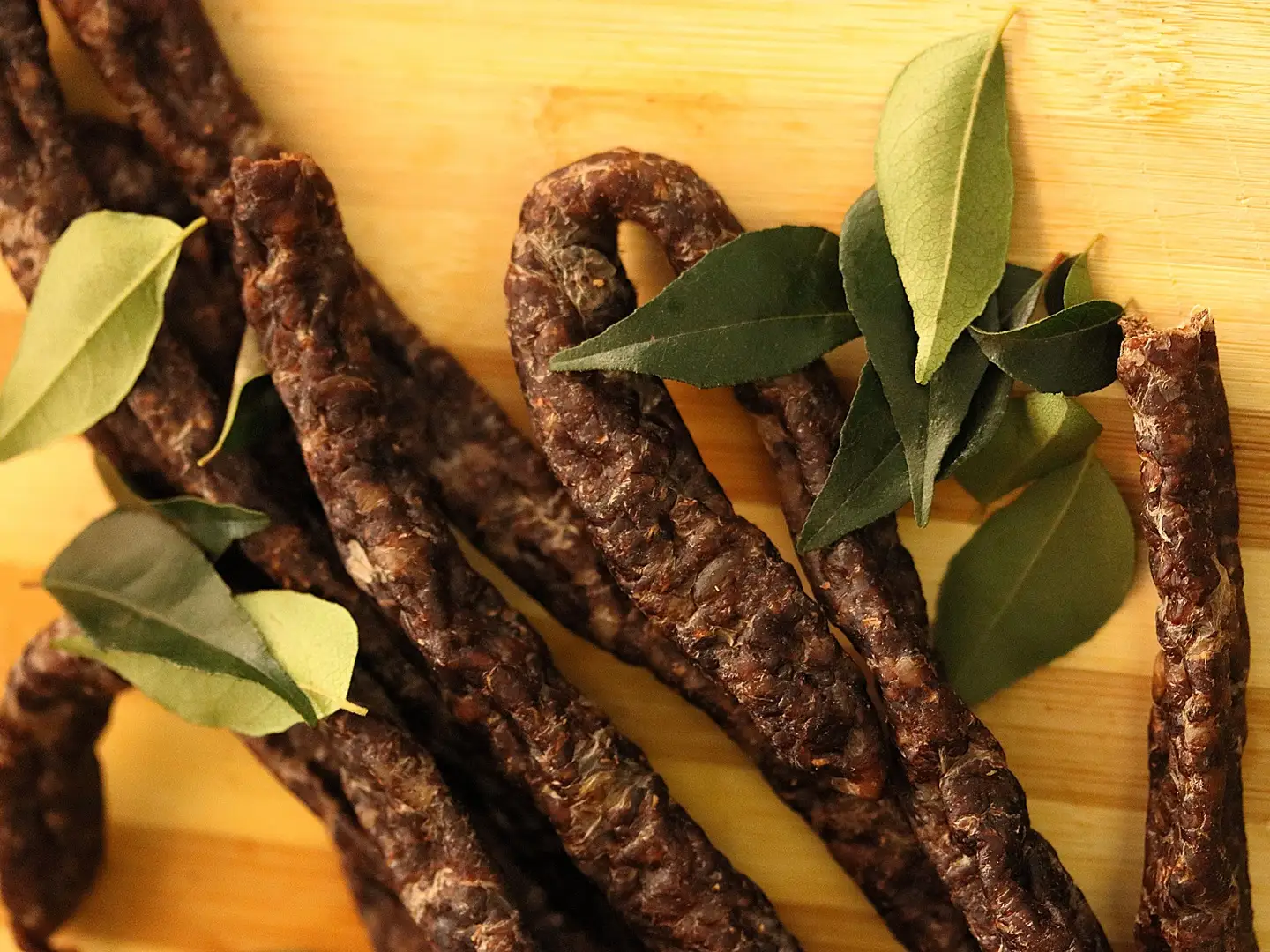
Meat sticks. Free citric acid can lower batter pH on contact with free water before the protein structure sets, which can weaken binding, complicate stuffing, and contribute to fat separation during cooking. Encapsulated acid stays isolated during grinding, mixing, and stuffing, then releases during thermal processing after the matrix has formed. A vegetable lipid coating can be damaged by high shear, so it is typically folded in late under low-shear mixing, and the batter should be stuffed promptly. See Encapsulated Citric Acid for Meat Sticks.
Confectionery. Encapsulated grades are used in sour candy, including surface-applied acid coatings, as well as in gummies, hard candy, and chewy candy, where the aims are controlled sourness and a drier surface during storage. They can also be combined with encapsulated malic acid to adjust sourness intensity and build a different acid profile.
Choosing Between Encapsulated Citric Acid and Regular Citric Acid
Regular citric acid remains a sound choice when the formula stays dry, the process is short, and the acid is not expected to contact moisture or alkaline ingredients before it should act. Encapsulated citric acid is worth evaluating when humid storage or transit is likely, when bicarbonates are present, when acid in a batter must wait until a structure has formed, or when a candy sanding must stay drier in storage.
Choose the trigger type first, then match citric acid content, particle size, and, for heat-triggered grades, melting range to the process. Niranbio Tech supplies standard and customized options. Line trials remain the most reliable check.
FAQs
What is the difference between encapsulated citric acid and regular citric acid?
Regular citric acid dissolves on contact with moisture, which can lead to early release, caking, and unwanted reactions. Encapsulated citric acid is protected by a moisture-triggered or heat-triggered system and releases under defined conditions.
What is the difference between the two trigger types?
A moisture-triggered system uses sodium citrate and releases the acid on moisture exposure, which suits beverage powders and effervescent products. A heat-triggered system uses a hydrogenated vegetable oil coating that typically melts at 135-165°F / 57-74°C.
Does encapsulation remove the need for anti-caking agents or better packaging?
No. Anti-caking agents help flow, and packaging still sets the moisture load around the product. Encapsulation adds a barrier around the acid particles.
Can encapsulated citric acid be used in any process?
It is used in confectionery, bakery, beverage, and meat applications, but suitability depends on the formula, the process, and storage conditions. Run trials before scale-up.