Encapsulation & Blending Solutions Supplier Since 2003

Encapsulation & Blending Solutions Supplier Since 2003
| Active Content | 85% Standard Grade / 90% High Active Grade |
|---|---|
| Coating Material | Fully Hydrogenated Vegetable Oil (Sunflower or Palm Based) |
| Packaging | 25 kg Kraft Paper Bag with Inner PE Liner |
| MOQ | Please Contact Us for Current Availability |
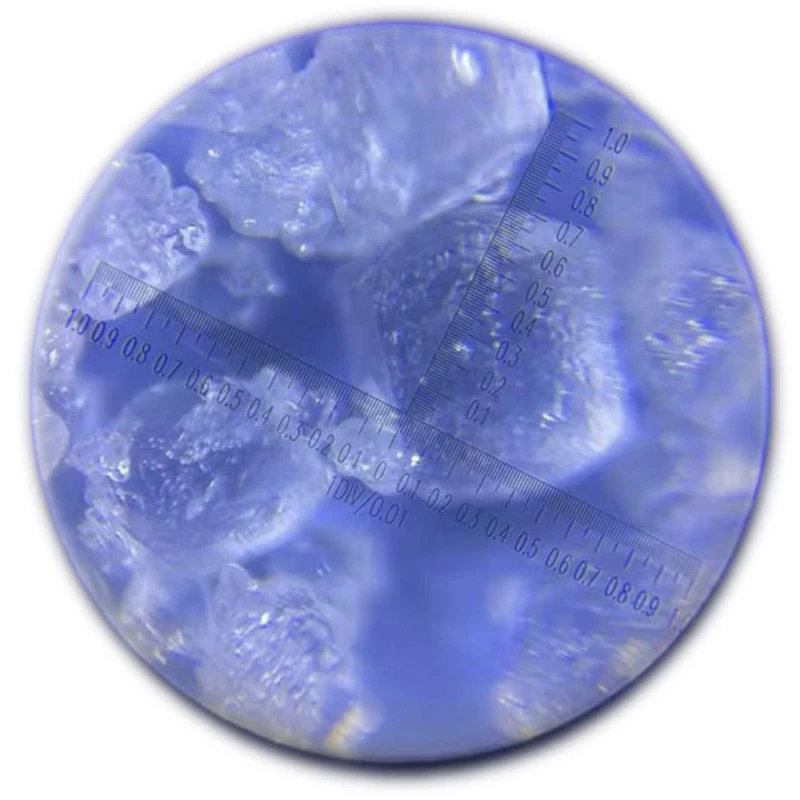
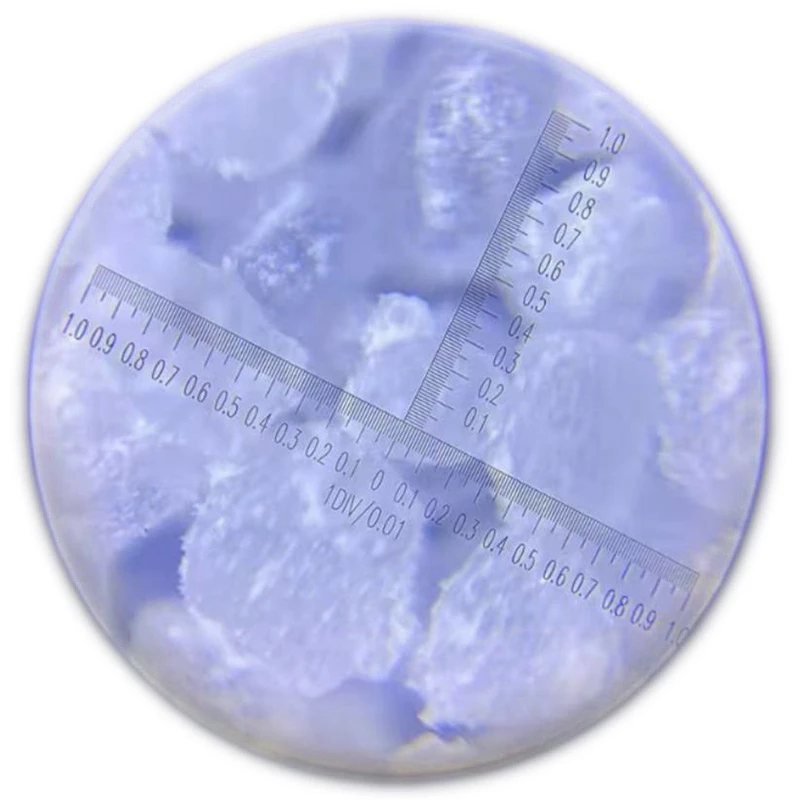
Encapsulated Sorbic Acid is an advanced controlled-release preservative produced using microencapsulation technology. Sorbic acid (E200) is used as the core and coated with a food-grade protective layer, typically lipid-based, forming a stable barrier that isolates the active ingredient from moisture, air, and other reactive components during processing and storage.
This system effectively addresses common limitations of conventional sorbic acid, such as premature interaction with yeast, reduced fermentation efficiency, and inconsistent preservative performance. The active component is released only under specific processing conditions, ensuring targeted antimicrobial activity at the desired stage.
As a result, encapsulated sorbic acid improves process stability, protects yeast activity during fermentation, and delivers effective mold and yeast inhibition after baking, making it particularly suitable for bakery applications as well as other shelf-life-sensitive food systems.
It is widely used in applications requiring delayed antimicrobial action, extended shelf life, and improved formulation stability.
Encapsulated sorbic acid operates through a temperature-triggered controlled-release mechanism, designed to ensure fermentation compatibility and effective antimicrobial performance.
Encapsulated Sorbic Acid provides important advantages for bakery manufacturers by improving preservative stability, protecting yeast fermentation, and extending product shelf life.
Encapsulated Sorbic Acid is primarily designed for yeast-fermented bakery products where preservative effectiveness and fermentation performance must be carefully balanced.
| Item | Specification | Remarks |
| Appearance | White to off-white particles or powder | Free-flowing granular form |
| Sorbic Acid Content | 85% Grade: 85±3% 90% Grade: 90±3% |
Available in different active content options |
| Coating Material | Fully Hydrogenated Vegetable Oil | Sunflower or palm based |
| Particle Size | 20 mesh, ≥95% pass | Uniform particle distribution |
| Loss on Drying | ≤0.5% | — |
| Residue on Ignition | ≤0.2% | — |
| Lead (Pb) | ≤2.0 mg/kg | Complies with food-grade requirements |
| Total Arsenic (As) | ≤2.0 mg/kg | Complies with food-grade requirements |


We connect you with the right manufacturers based on your pricing and specification needs.
Diversified supply channels ensure consistent availability and reduce supply risks.
Optimized sourcing strategy helps provide competitive pricing for bulk orders.
Serving clients in over 100 countries with reliable logistics and documentation support.
Fast quotation and professional support for food, beverage, and industrial applications.
Sourced from certified manufacturers, meeting ISO, FSSC 22000, Halal, and Kosher standards.
What is encapsulated sorbic acid?
Encapsulated sorbic acid is a coated preservative ingredient produced using microencapsulation technology. Sorbic acid (E200) is coated with a food-grade hydrogenated vegetable oil layer, helping improve storage stability, reduce moisture absorption, and provide effective preservation in bakery products.
What is the difference between encapsulated sorbic acid and regular sorbic acid?
Regular sorbic acid may interact directly with other ingredients during processing and can affect yeast activity in fermented dough systems. Encapsulated sorbic acid separates the active ingredient through a protective coating, helping minimize interference during fermentation while allowing effective mold and yeast control after baking.
What applications is encapsulated sorbic acid suitable for?
Encapsulated sorbic acid is mainly used in yeast-fermented bakery products, including bread, cakes, pastries, pies, fillings, fruit cakes, and chilled bakery products. It helps maintain fermentation performance while extending shelf life through mold and yeast inhibition.
Does encapsulated sorbic acid affect dough fermentation?
No. When used in bread products, the encapsulation layer helps isolate sorbic acid from the dough system during fermentation, minimizing its impact on yeast activity and supporting normal dough fermentation.
What are the advantages of encapsulated sorbic acid compared with conventional preservatives?
The encapsulation process helps prevent sorbic acid from absorbing moisture, improves storage stability, and reduces undesirable reactions with other ingredients during processing. It also provides more consistent preservative performance throughout product shelf life.
Can the product be customized to specific requirements?
Yes. The active ingredient content can be adjusted according to customer requirements. Different sorbic acid content options, including approximately 85% and 90% grades, are available for different application needs.
What are the main quality specifications of encapsulated sorbic acid?
The product is available as white to off-white particles or powder with a typical particle size of 20 mesh (95% pass). It complies with relevant food additive regulations and is supplied in 25 kg bags with a sealed shelf life of up to 24 months under proper storage conditions.
How can I obtain samples and technical support?
Contact our team for sample requests and application support. We can assist with product selection and provide technical information for evaluating encapsulated sorbic acid in your bakery formulation.
Submit your inquiry to receive a quotation within 24 hours.
WhatsApp us