Encapsulation & Blending Solutions Supplier Since 2003

Encapsulation & Blending Solutions Supplier Since 2003
| Core Content | Standard 85%, customizable |
|---|---|
| Wall Material | Lipids, dextrin, emulsifiers, or salts (customizable) |
| Packaging | 25 kg bags, customizable packaging available |
| MOQ | 200 kg / 500 kg (customized orders) |
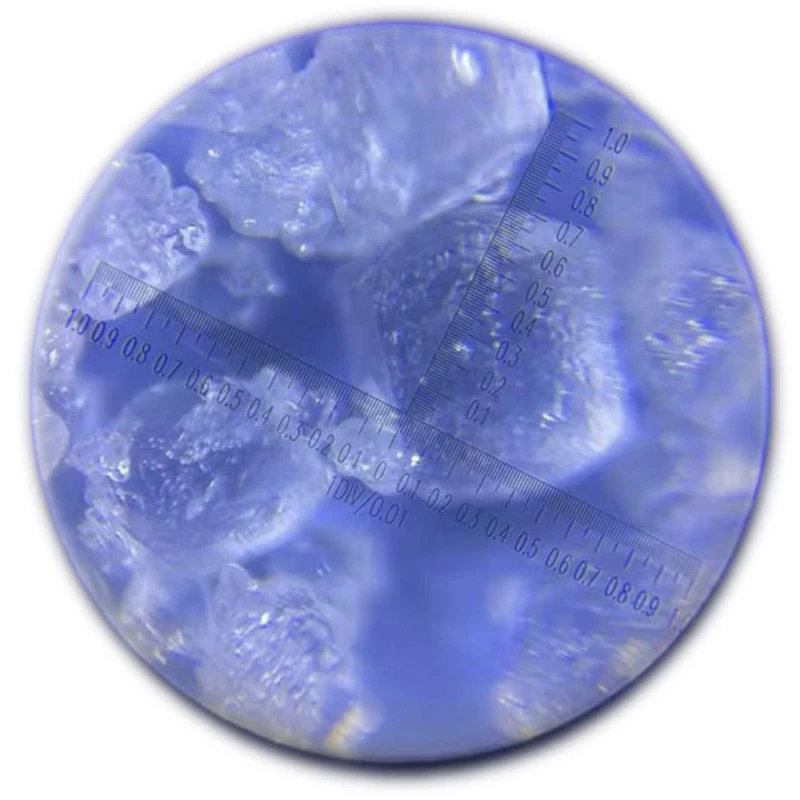
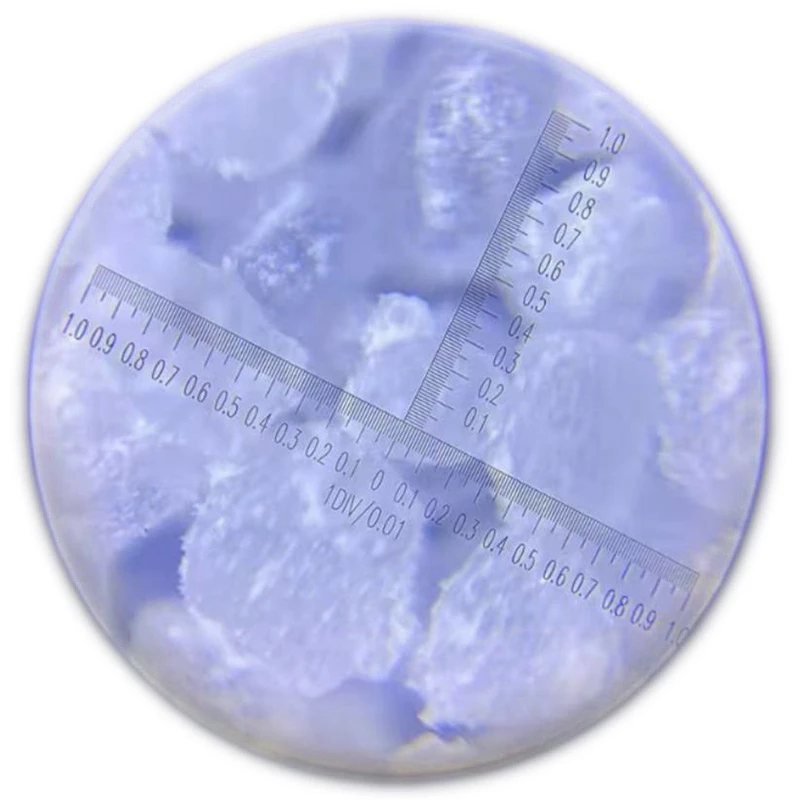
Built on a hydrogenated vegetable oil (HVO) coating, Niranbio’s encapsulated leavening system—available in sodium bicarbonate and potassium bicarbonate grades—stays fully inert through mixing, cold-chain storage, and freezing. The HVO shell melts at 60-80°C, releasing CO₂ only when the dough reaches the oven.
Conventional baking soda begins reacting the moment it meets moisture, weakening dough structure and capping rise before the product ever reaches the bake. Niranbio’s HVO encapsulation isolates the reaction until oven temperature, so the full leavening charge lands where it counts.
The result: up to 30% more rise in refrigerated dough, frozen bakery, and high-volume industrial lines, with the potassium bicarbonate grade delivering identical performance for low-sodium and no-sodium formulations.
Encapsulated leavening systems operate through a controlled-release mechanism designed to regulate the timing of CO₂ generation and improve processing stability in baking applications.
Encapsulated leavening systems offer significant processing and performance advantages over conventional baking systems, especially in applications requiring controlled gas release and improved stability.
Request a free sample or quote to evaluate Niranbio’s encapsulated leavening system in your specific application.
| Item | Specification | Remarks |
|---|---|---|
| Wall Material | Lipids, dextrin, emulsifiers, or salts | Custom combinations available |
| Core/Wall Ratio | 60–90% core / 10–40% wall | Flexible adjustment |
| Encapsulation Efficiency | ≥97% | High utilization, minimal loss |
| Particle Size | 25–60 mesh | Customizable |


We connect you with the right manufacturers based on your pricing and specification needs.
Diversified supply channels ensure consistent availability and reduce supply risks.
Optimized sourcing strategy helps provide competitive pricing for bulk orders.
Serving clients in over 100 countries with reliable logistics and documentation support.
Fast quotation and professional support for food, beverage, and industrial applications.
Sourced from certified manufacturers, meeting ISO, FSSC 22000, Halal, and Kosher standards.
What is the difference between encapsulated and regular leavening systems?
Conventional leavening systems begin losing CO₂ the moment bicarbonate contacts moisture—during mixing, fermentation, or cold-chain storage. Niranbio’s hydrogenated vegetable oil (HVO) encapsulation holds sodium or potassium bicarbonate fully inert through these stages, releasing CO₂ only at 60-80°C. The result is up to 30% more rise in cold-chain applications than unprotected systems, with no cold-chain gas loss.
What applications are encapsulated leavening systems suitable for?
Niranbio’s HVO-encapsulated leavening is engineered for frozen pizza, bread, muffins, cookies, and biscuits; acidic formulations (cocoa, chocolate, fruit preparations, molasses, buttermilk); long-fermented dough, sourdough, and premix flours; and any high-volume industrial baking line where precise gas release timing defines finished-product quality.
Can the product be customized to our specific process?
Yes. Customization is built into Niranbio’s system: particle size from 25-60 mesh, core-to-wall ratios from 60:40 to 90:10, wall materials including lipids, dextrin, emulsifiers, or salts, and release-temperature profiles tuned to your specific baking curve. Line-trial samples are available for in-house evaluation.
How is the release temperature selected?
Niranbio’s standard HVO coating is engineered to release at 60-80°C, matching typical industrial baking profiles. For processes outside this range—lower-temperature bakes, high-temperature crackers, or specialty profiles—release temperature can be tuned to the melting point of your chosen wall material. Our application team can help match the system to your specific thermal profile.
What are the advantages of encapsulated leavening systems in production?
Niranbio’s HVO encapsulation delivers up to 30% more rise in cold-chain applications than unprotected systems, with ≥97% encapsulation efficiency and standard 85% core loading for batch-to-batch consistency. The 60-80°C activation window eliminates cold-chain gas loss, protects gluten development, and ensures uniform volume, texture, and appearance across production runs.
How can I obtain samples and technical support?
Sample requests, formulation guidance, and ongoing technical support are available through Niranbio’s application team. To start, share your product type, process conditions, and target performance metrics—we’ll provide line-trial samples and a tailored recommendation.
Submit your inquiry to receive a quotation within 24 hours.
WhatsApp us