Encapsulation & Blending Solutions Supplier Since 2003

Encapsulation & Blending Solutions Supplier Since 2003
| Function | Extra high viscosity binder for sausages and meat emulsions |
|---|---|
| P2O5 Content | 55-59% |
| pH (1% solution) | 8.8-9.5 |
| Recommended Dosage | 0.3-0.5% of the meat weight, equal to 3-5 g per kg |
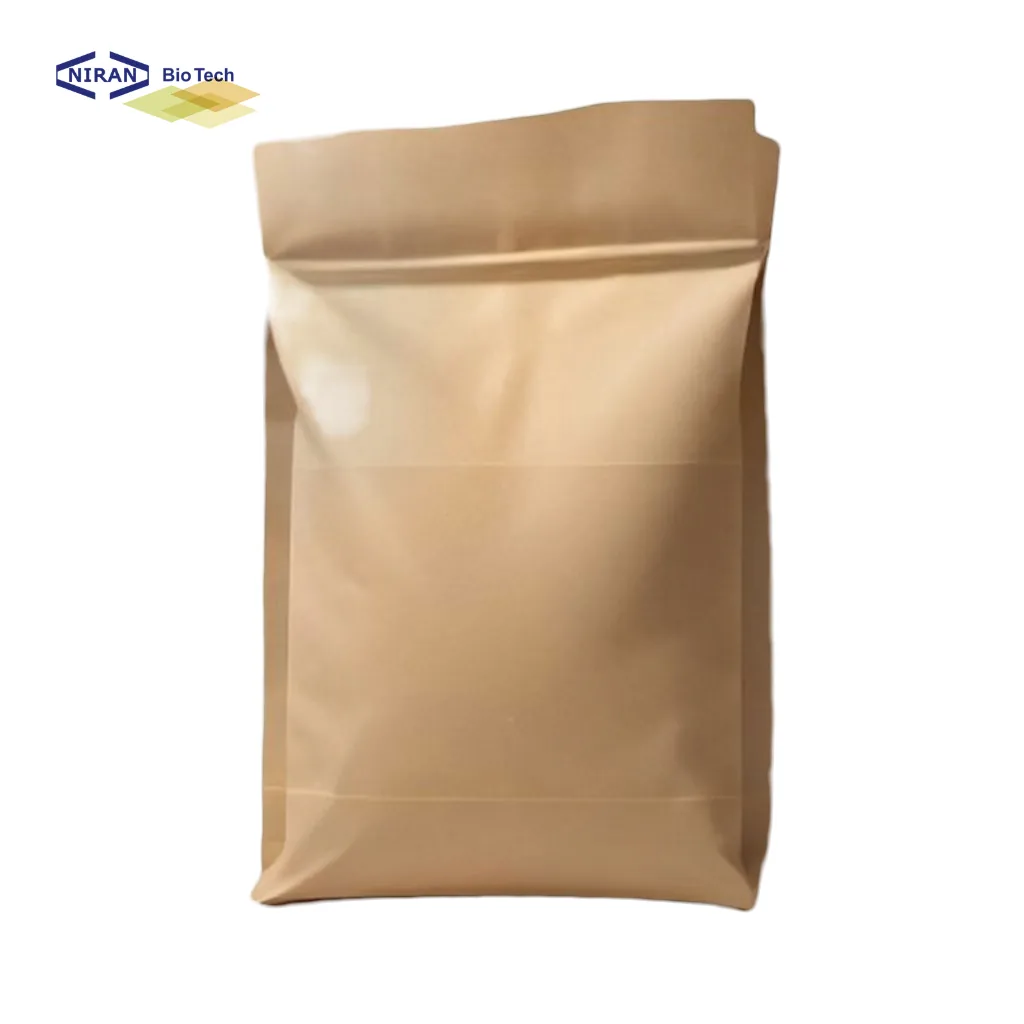
| Packaging | 25 kg kraft paper bag with PE inner liner, 1,000 kg big bag |
High viscosity phosphate binder blend is a compound food additive made from a blend of food grade sodium and potassium di-, tri- and polyphosphates with sodium carbonate. The phosphates are mixed to a defined ratio that gives a high viscosity meat paste, and the finished product is specified at 55-59% P2O5 with a pH of 8.8-9.5 in a 1% solution.
The binding action comes from four mechanisms working together. The blend raises the pH of the meat matrix, increases ionic strength, sequesters metal ions and interacts with the meat proteins. Together these effects let the protein bind more water and fat, which is what keeps a sausage or a meat emulsion homogeneous through cooking.
In practice it is used at 0.3-0.5% of the meat weight, which is 3-5 g per kg. Added early in the cutter, the blend disperses quickly and gives a firm, bright coloured paste with good cooking yield. It also works in the wet process, where it dissolves in the brine without caking. Where salt is part of the same mix, the blend should be dissolved completely before the salt is added. Dosage always has to be confirmed against the individual meat base, because the same level behaves differently in a high fat emulsion and in a lean poultry block.
The K series is built for processors who need a binder that holds the product together, rather than a single phosphate that changes one variable. These are the functions the blend is specified for.
| Product Name | High Viscosity Phosphate Binder Blend | – |
| Internal Model | NBT-PB-55 | – |
| Appearance | White fine powder | Visual |
| Composition | Blend of food grade sodium and potassium di-, tri- and polyphosphates with sodium carbonate | E450, E451, E452, E500 |
| P2O5 Content | 55-59% | Typical 57% |
| pH (1% solution) | 8.8-9.5 | Typical 9.0 |
| Recommended Dosage | 0.3-0.5% of the meat weight, equal to 3-5 g per kg | Confirm against the meat base |
| Solubility | Soluble in cold water and in salt brines, no caking | – |
| Heavy Metals (as Pb) | 10 ppm max | – |
| Fluoride (F) | 10 ppm max | – |
| Arsenic (As) | 3 ppm max | – |
| Lead (Pb) | 2 ppm max | – |
| Cadmium (Cd) | 1 ppm max | – |
| Mercury (Hg) | 1 ppm max | – |
| Packaging | 25 kg kraft paper bag with PE inner liner, 1,000 kg big bag | – |
| Shelf Life | 24 months | Original packaging, dry and cool storage |
| Storage | Keep sealed, dry and cool, away from moisture | – |
| Food Standards | US Food Chemicals Codex, EU Regulation 231/2012, GB 2760 | Documents on request |


| Function Class | Compound phosphate binder for meat processing (multi component food additive system) |
| Composition | Blend of food grade sodium and potassium di-, tri- and polyphosphates with sodium carbonate |
| E-Number Coverage | E450, E451, E452, E500 |
| CAS Numbers | No single CAS number applies to a compound blend. Main components: 7758-29-4 (sodium tripolyphosphate), 7722-88-5 (tetrasodium pyrophosphate), 10124-56-8 (sodium hexametaphosphate), 7320-34-5 (tetrapotassium pyrophosphate), 497-19-8 (sodium carbonate) |
| EINECS Numbers | 231-767-1 (tetrasodium pyrophosphate), 207-838-8 (sodium carbonate). The remaining components are declared on the product specification sheet |
| Molecular Weight | Not applicable to a compound blend, the component values are given in the product specification sheet |
We connect you with the right manufacturers based on your pricing and specification needs.
Diversified supply channels ensure consistent availability and reduce supply risks.
Optimized sourcing strategy helps provide competitive pricing for bulk orders.
Serving clients in over 100 countries with reliable logistics and documentation support.
Fast quotation and professional support for food, beverage, and industrial applications.
Sourced from certified manufacturers, meeting ISO, FSSC 22000, Halal, and Kosher standards.
What is the difference between a phosphate binder and an individual phosphate?
A single phosphate such as sodium tripolyphosphate changes one variable in the meat matrix. A compound binder is a blend of phosphates mixed to a defined ratio, and the blend is specified on the properties that matter in the plant: phosphate content, pH and solubility. Two binders with the same phosphate content can still behave very differently in a meat emulsion if the pH and the phosphate chain length are not the same.
How much should I use, and when do I add it?
The working range is 0.3-0.5% of the meat weight, which is 3-5 g per kg. In the dry process the blend is dispersed at the beginning of the cutter run. In the wet process it is dissolved in the brine or marinade, and where salt is part of the same mix the blend should be dissolved completely before the salt is added, because adding the salt first can lead to caking. The final level has to be confirmed on the actual meat base, since fat content, salt level and the other additives in the mix all move it.
Can this binder be used with salt and other ingredients?
Yes. The blend is specified for good solubilisation in the presence of salt and does not cake in cold brine. It is also used alongside curing salts, and the pH effect has to be taken into account when the cure level is set, because the binder raises the pH of the matrix and that changes how the colour develops.
Which products is it used in?
The extra high viscosity grade is used in sausages, comminuted meat products, meat emulsions, poultry products, and fish and seafood products such as fillets, shrimps and clams. It is also used in brines, marinades and tumbling applications for pork, poultry and seafood.
Are other viscosity grades available in the same range?
Yes. The same binder range covers several viscosity grades. A medium viscosity binder is specified at 58.5-61% P2O5 with a pH of 7.0 for emulsion type products, standard sausages, chopped meats, meat and fish balls. The extra high viscosity grade on this page is specified at 55-59% P2O5 with a pH of 8.8-9.5 for sausages and complicated meat emulsions, and a lower pH variant at pH 9.0 is available where a less alkaline matrix is needed. A gum containing version with E415 and E407 is also available where very high water binding is required. Tell us the process and the target result, and the grade can be matched to it.
What documents are supplied with the order?
A certificate of analysis with the lot, the Halal and Kosher certificates, allergen and GMO free statements, the packing list, the commercial invoice and the origin certificate are available with the shipment. Sample quantities can be arranged for trial work before a bulk order.
Submit your inquiry to receive a quotation within 24 hours.
WhatsApp us